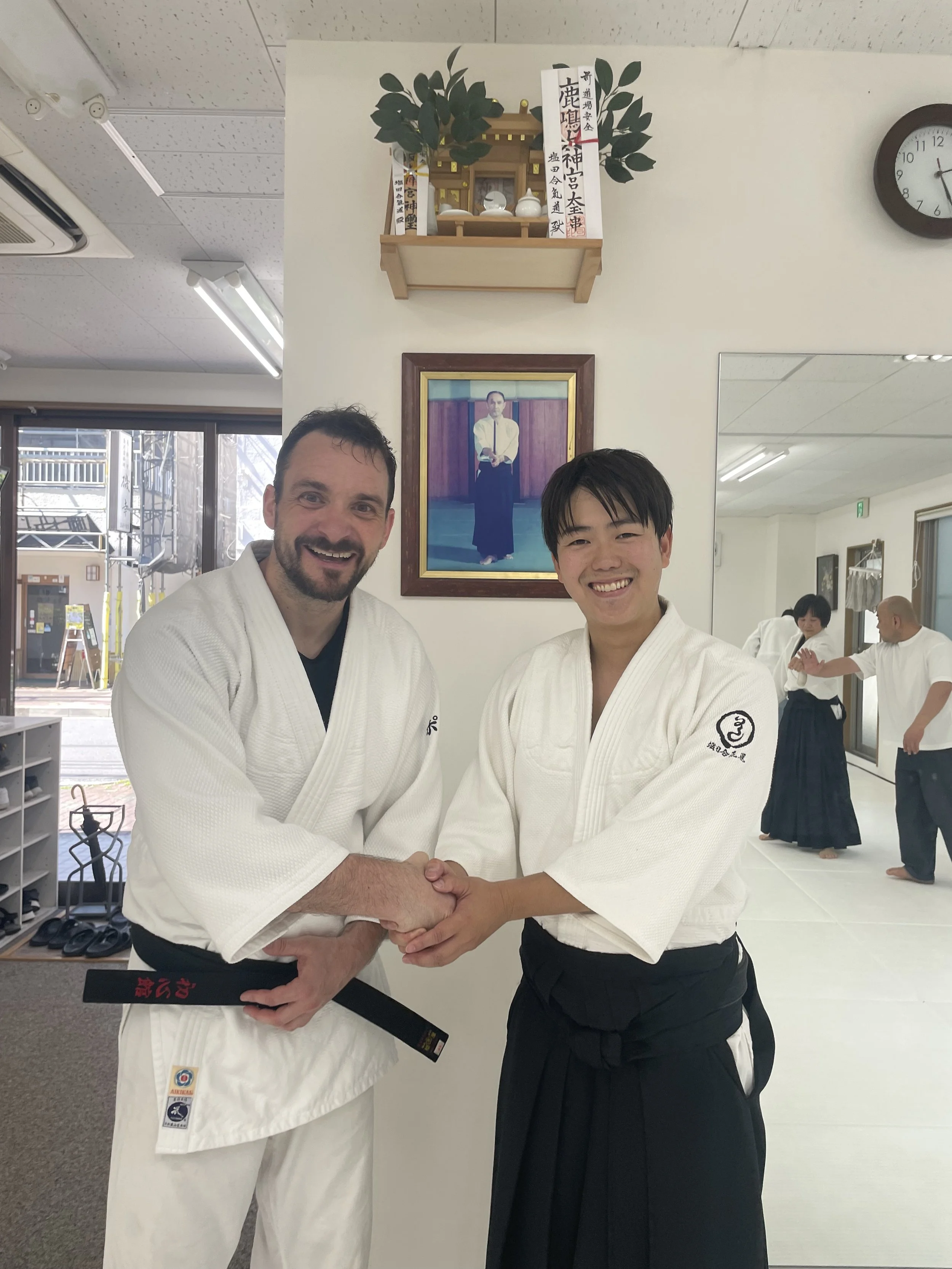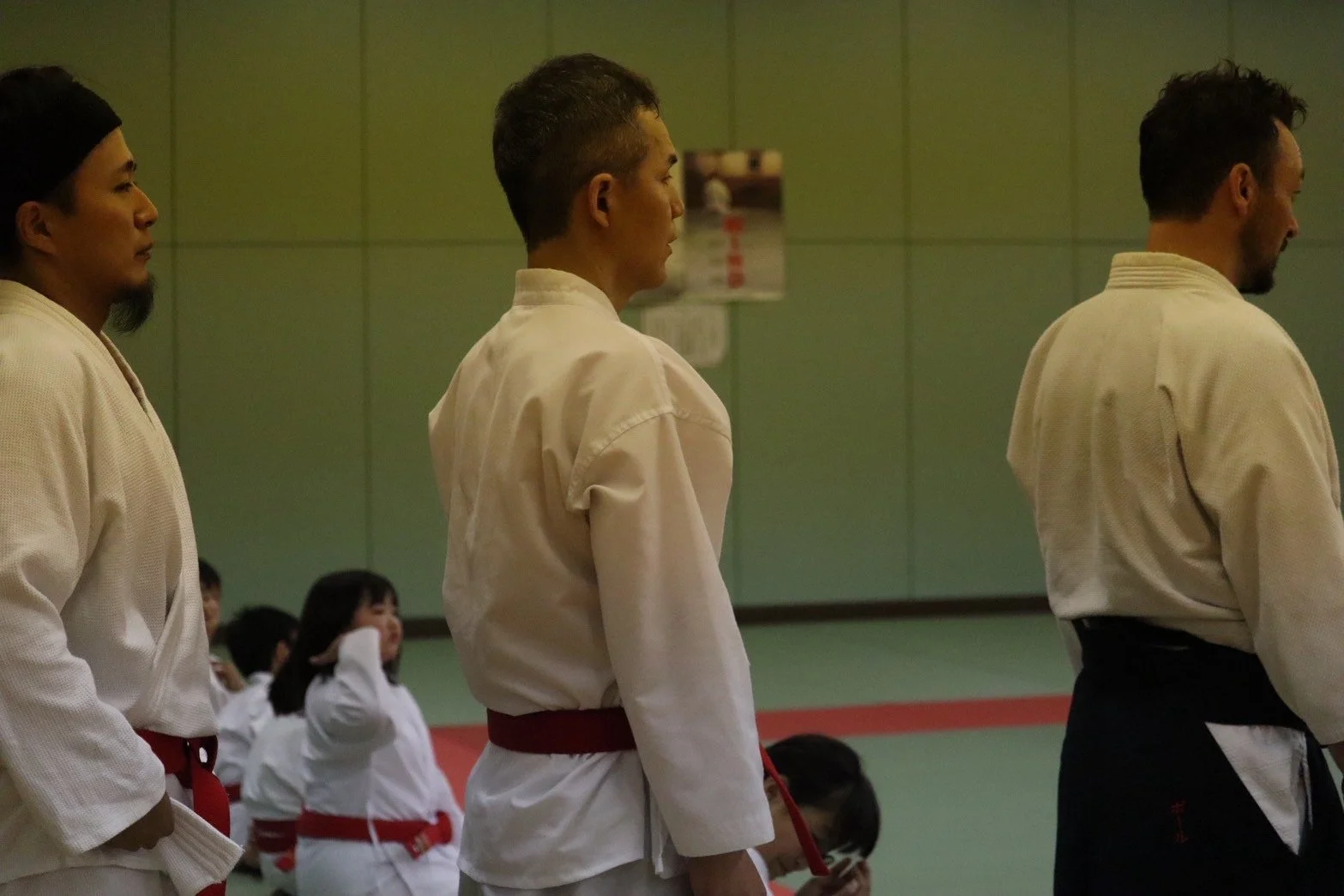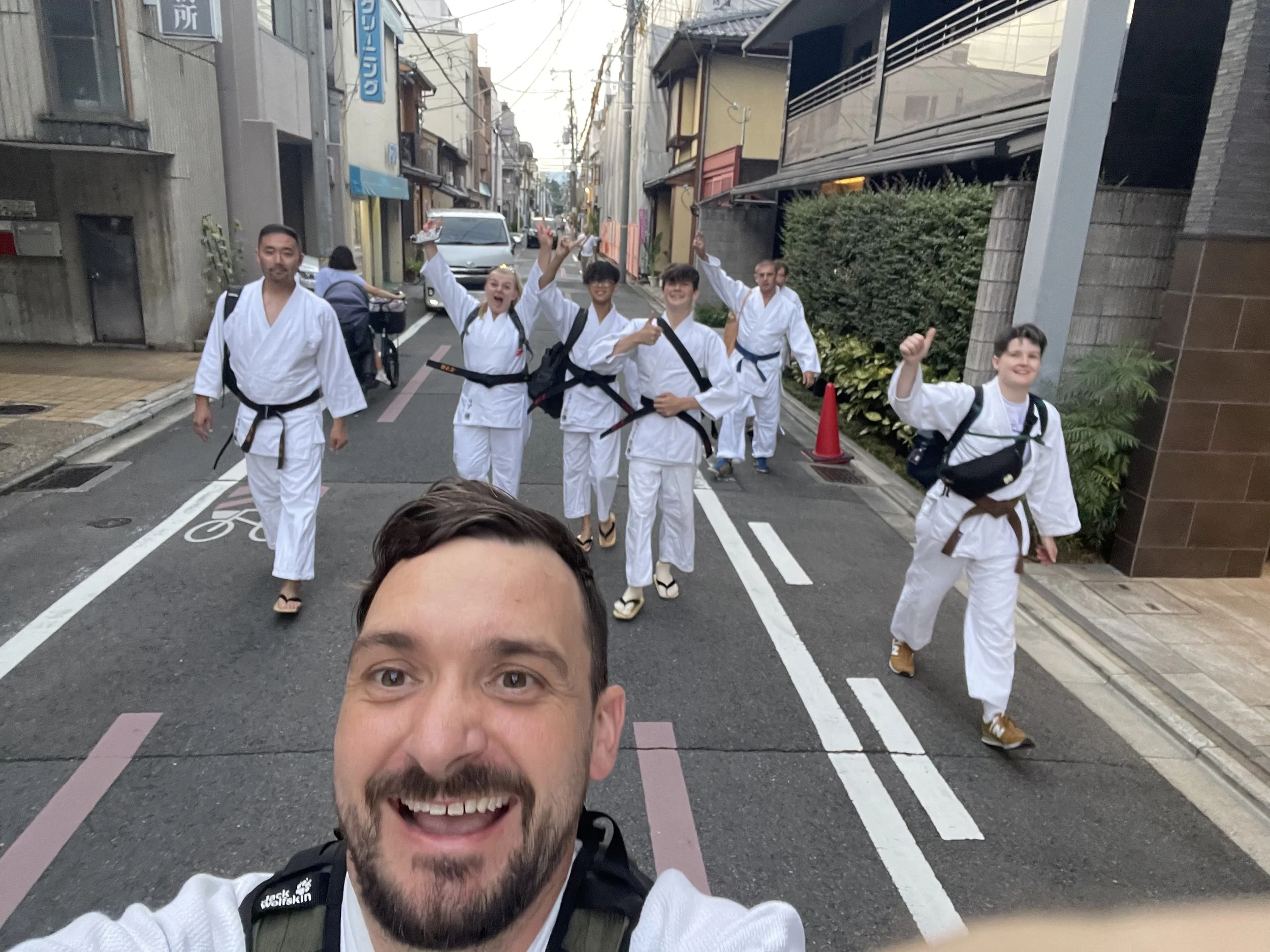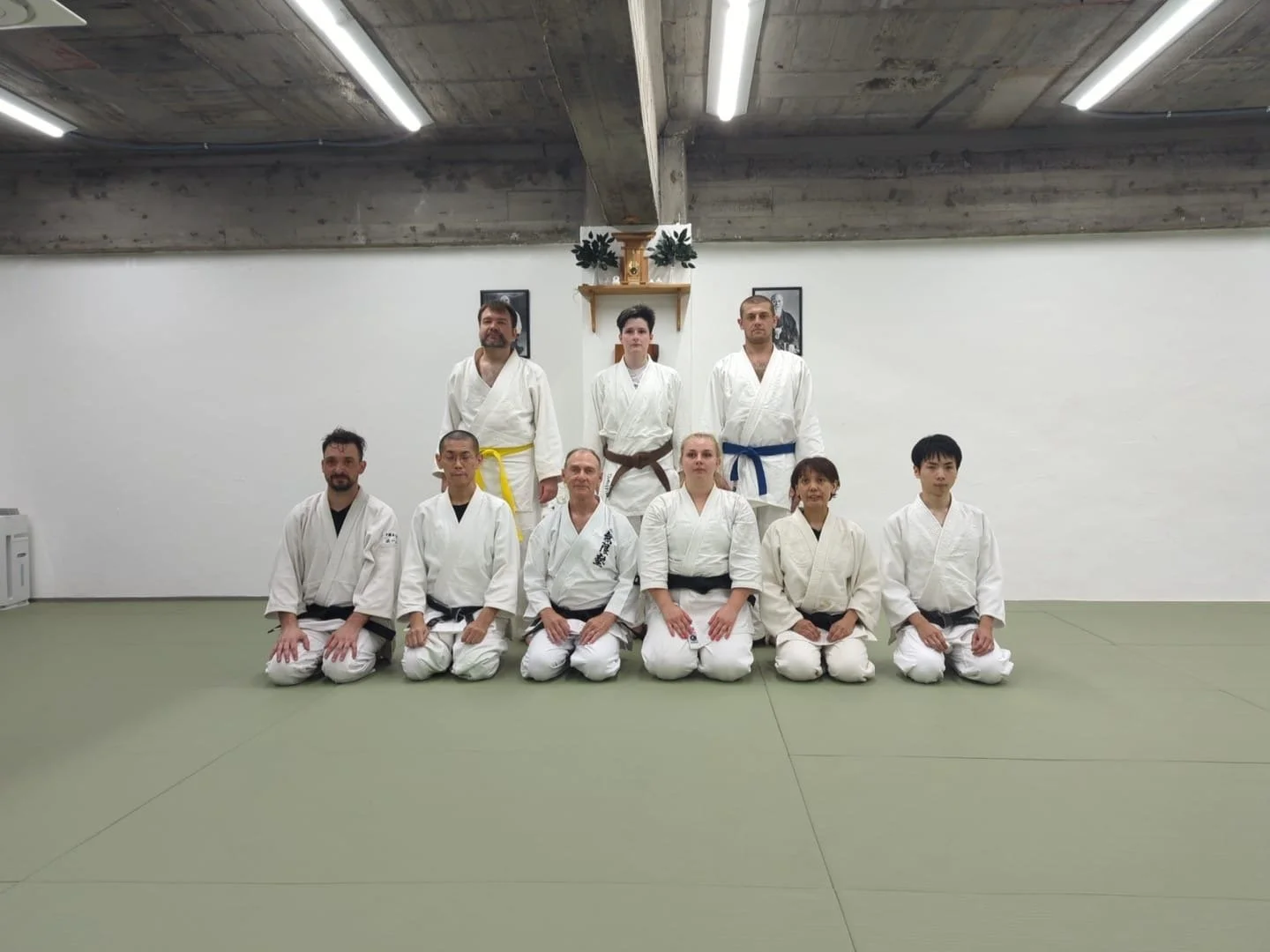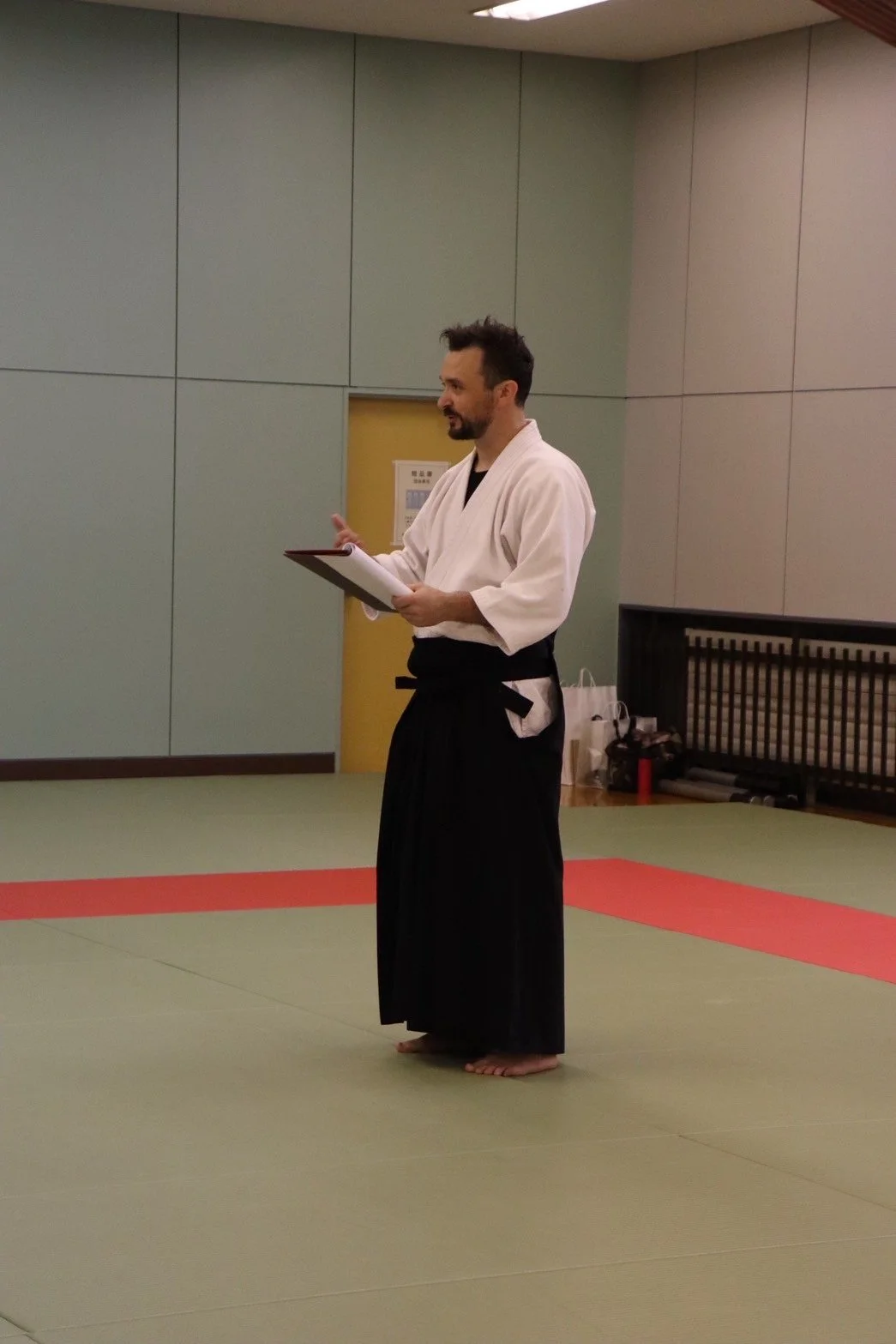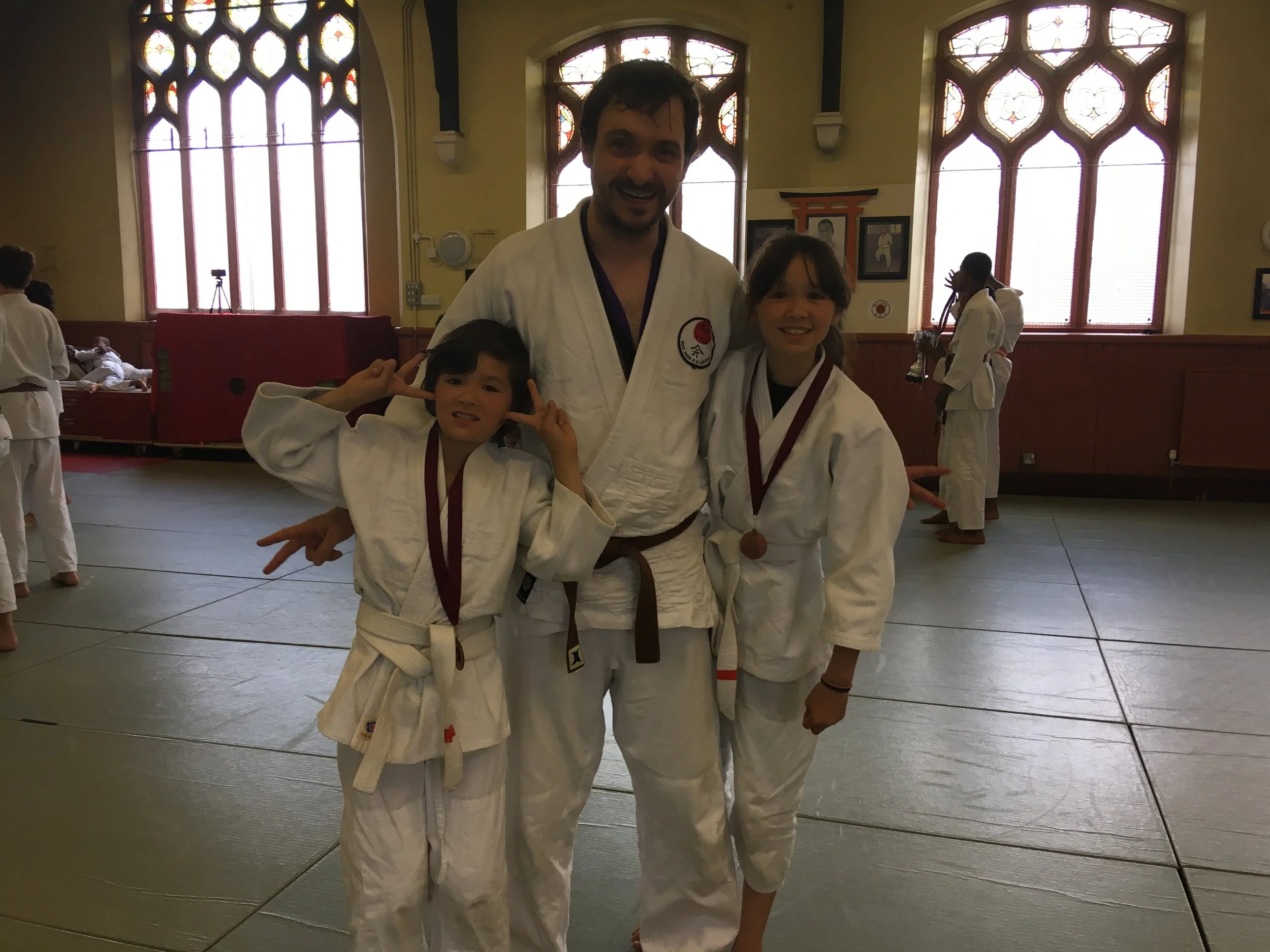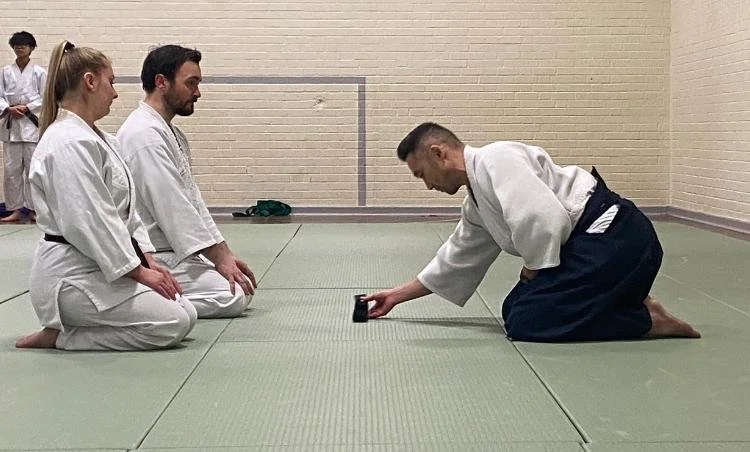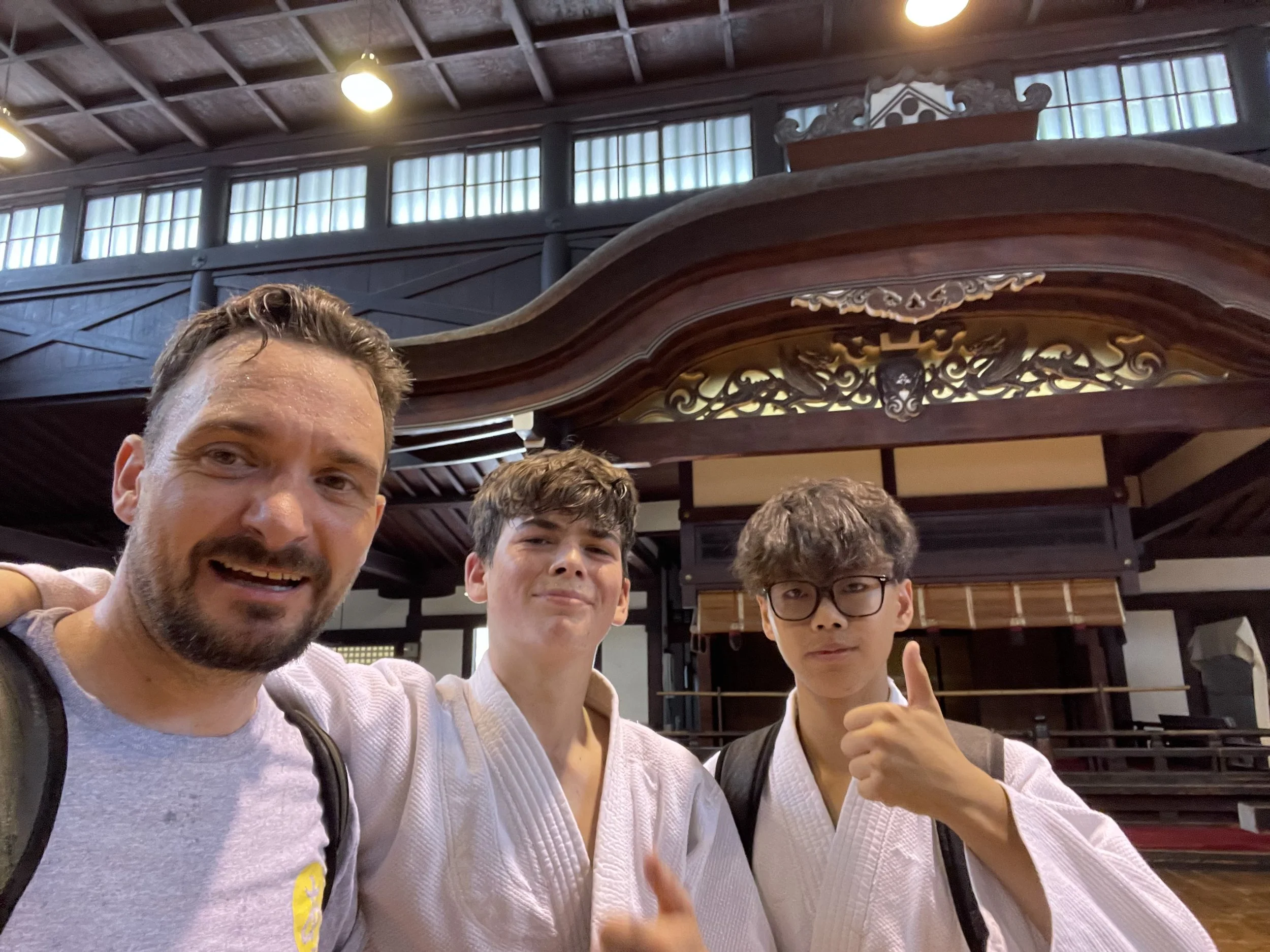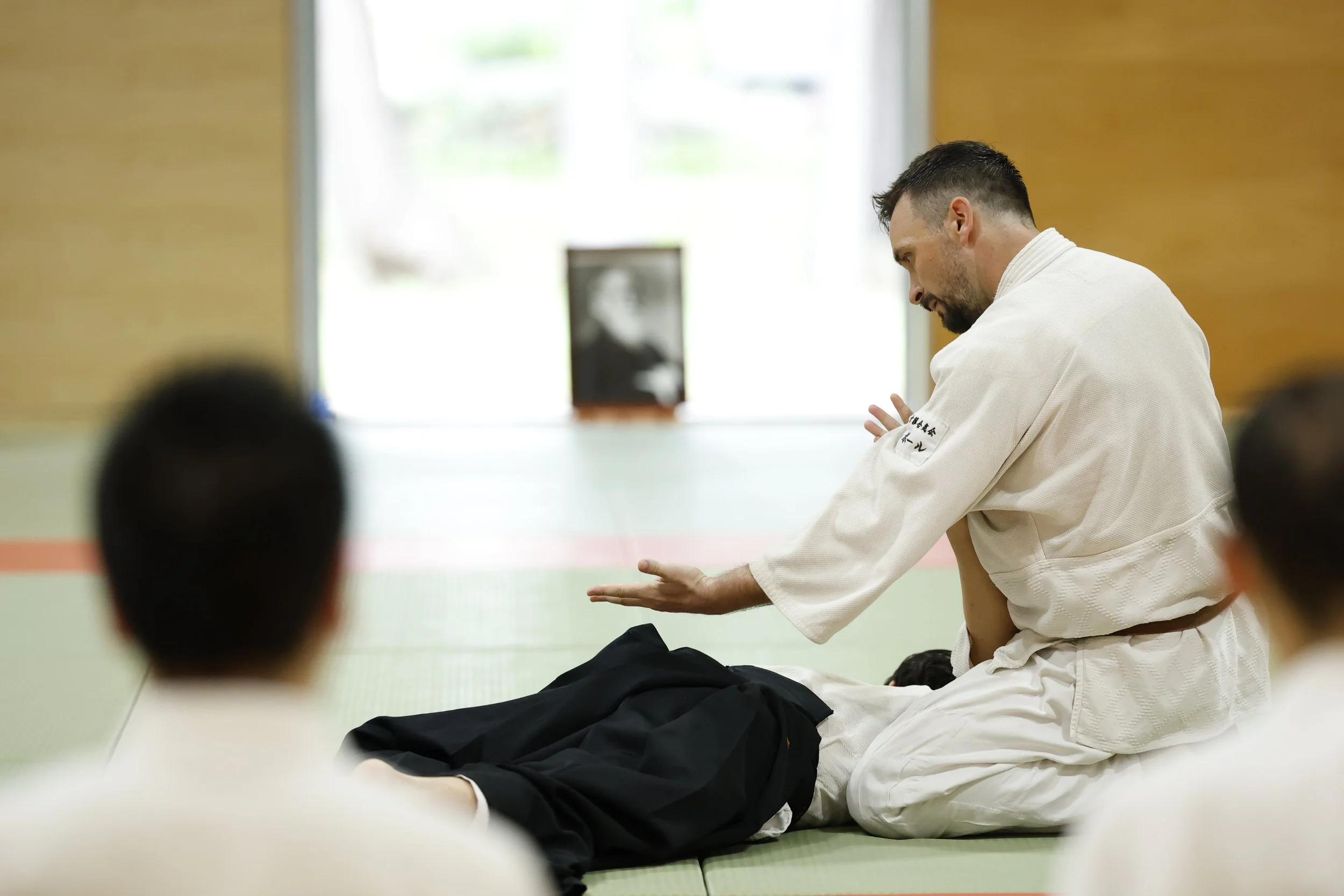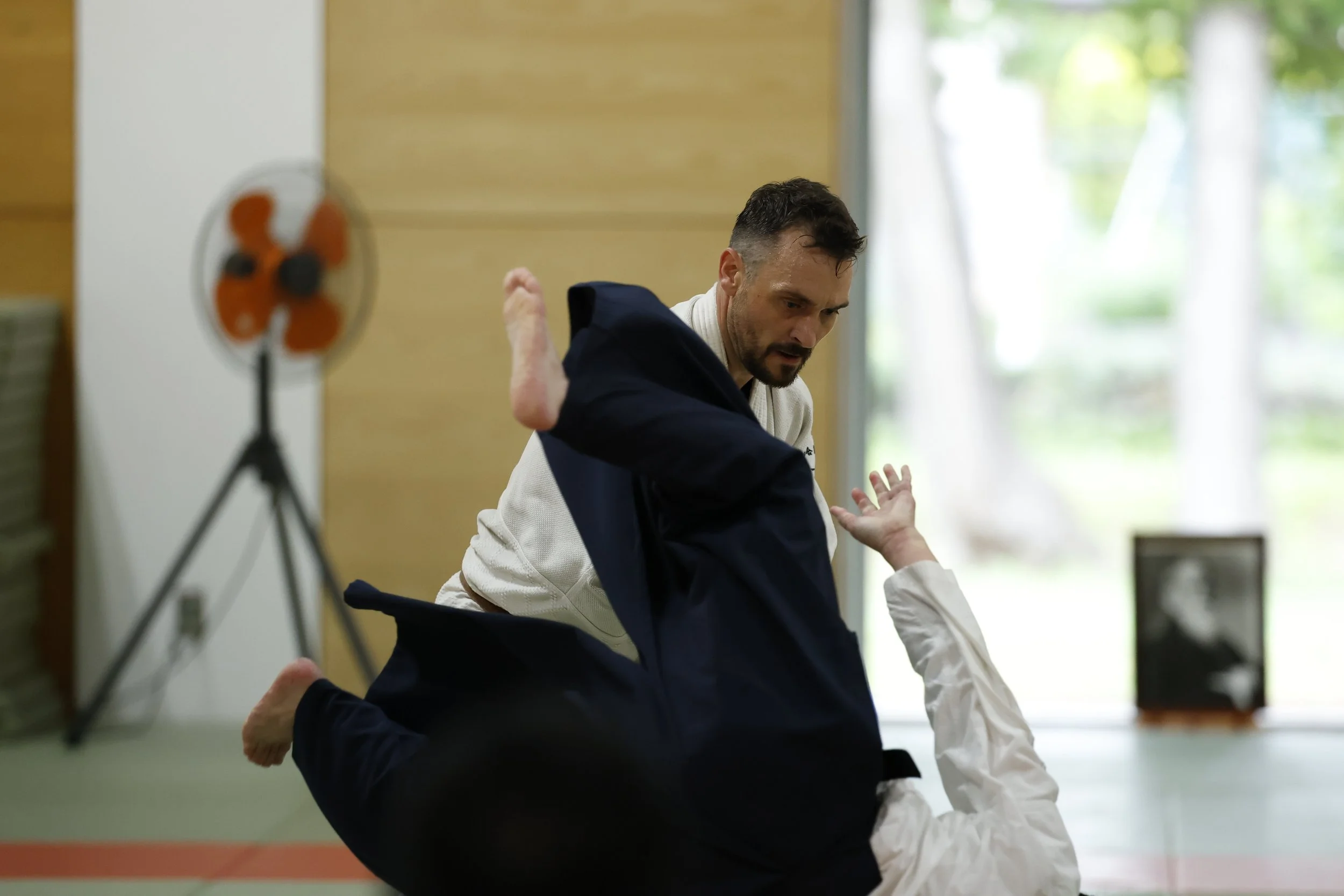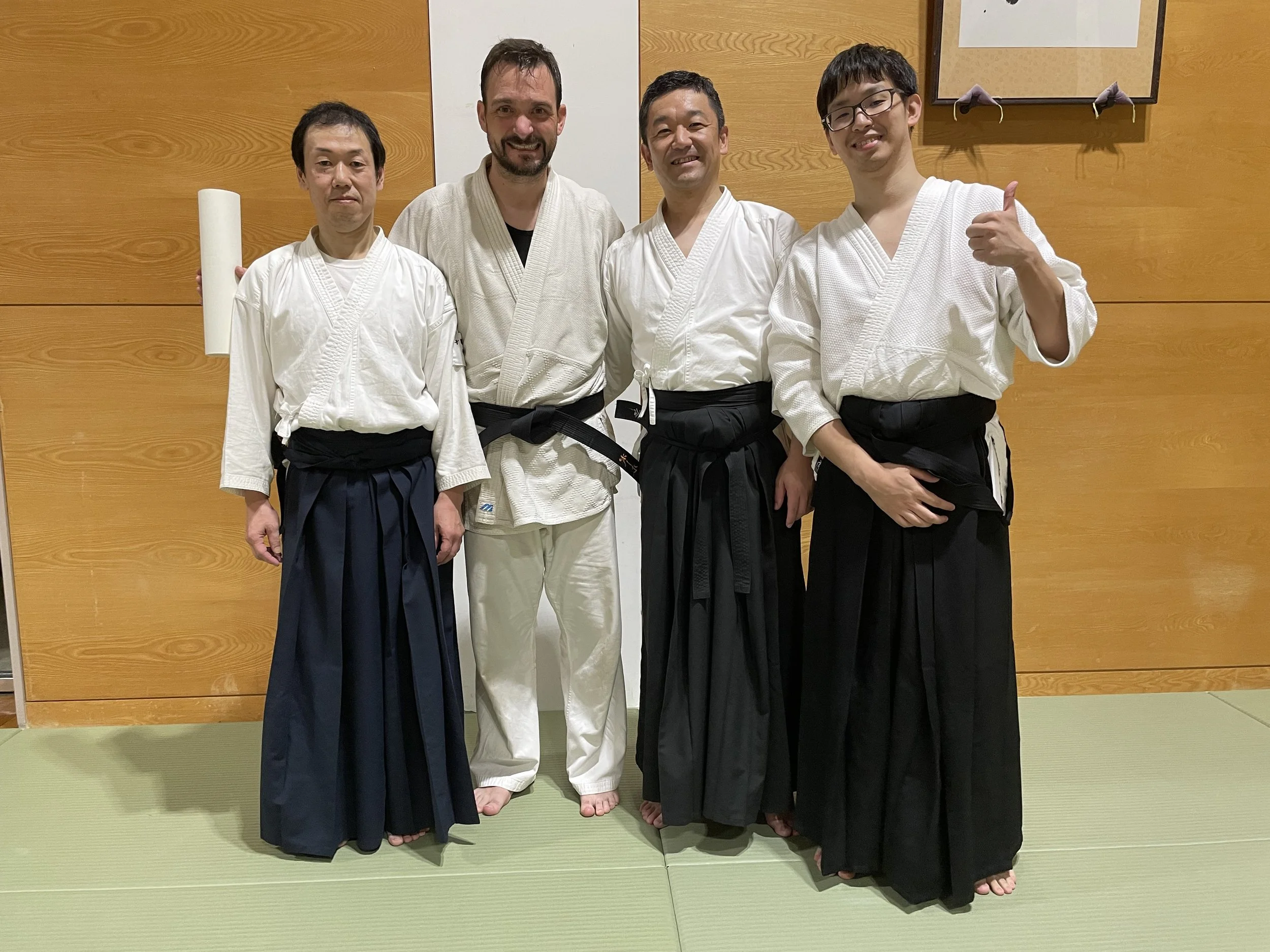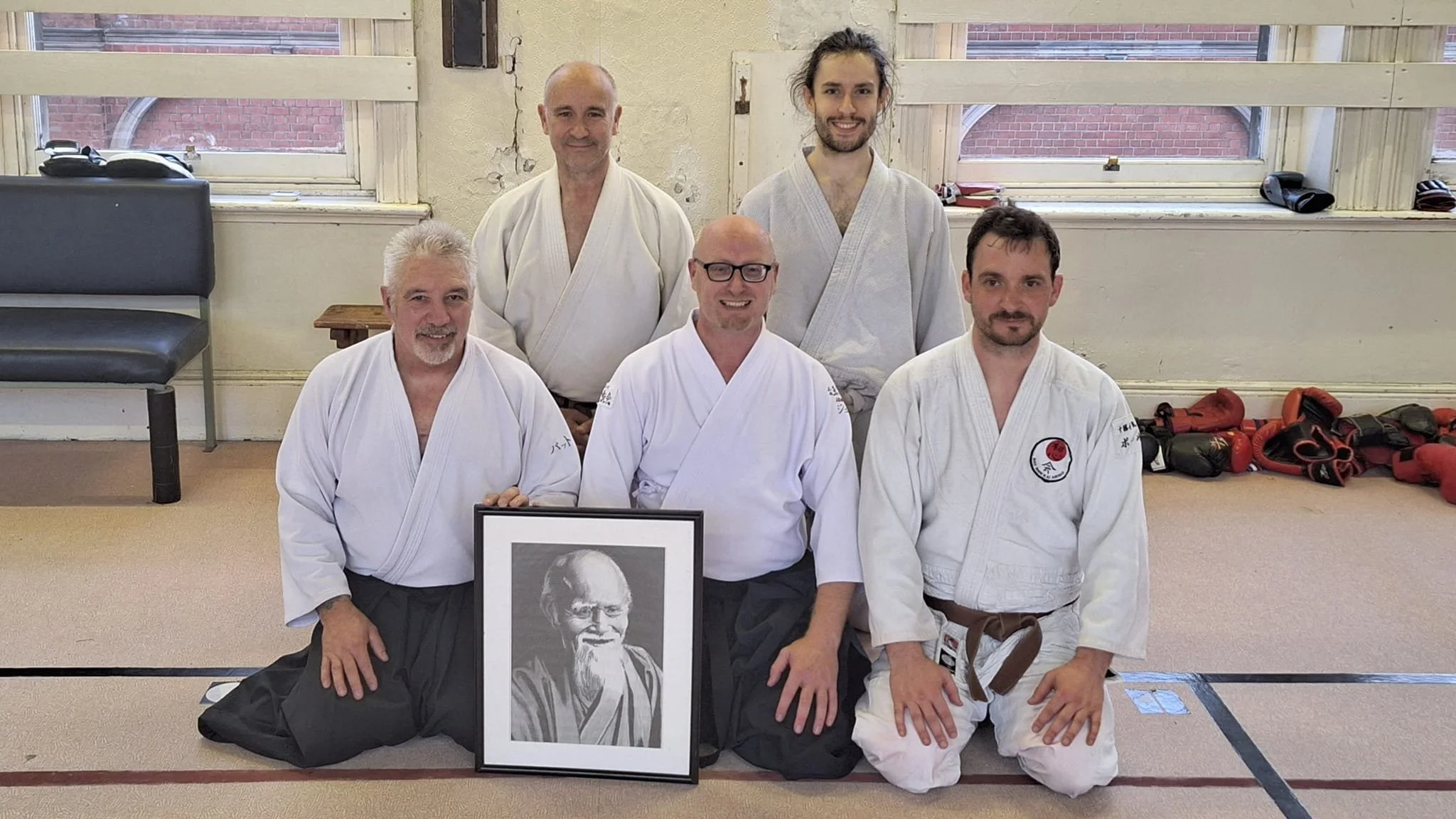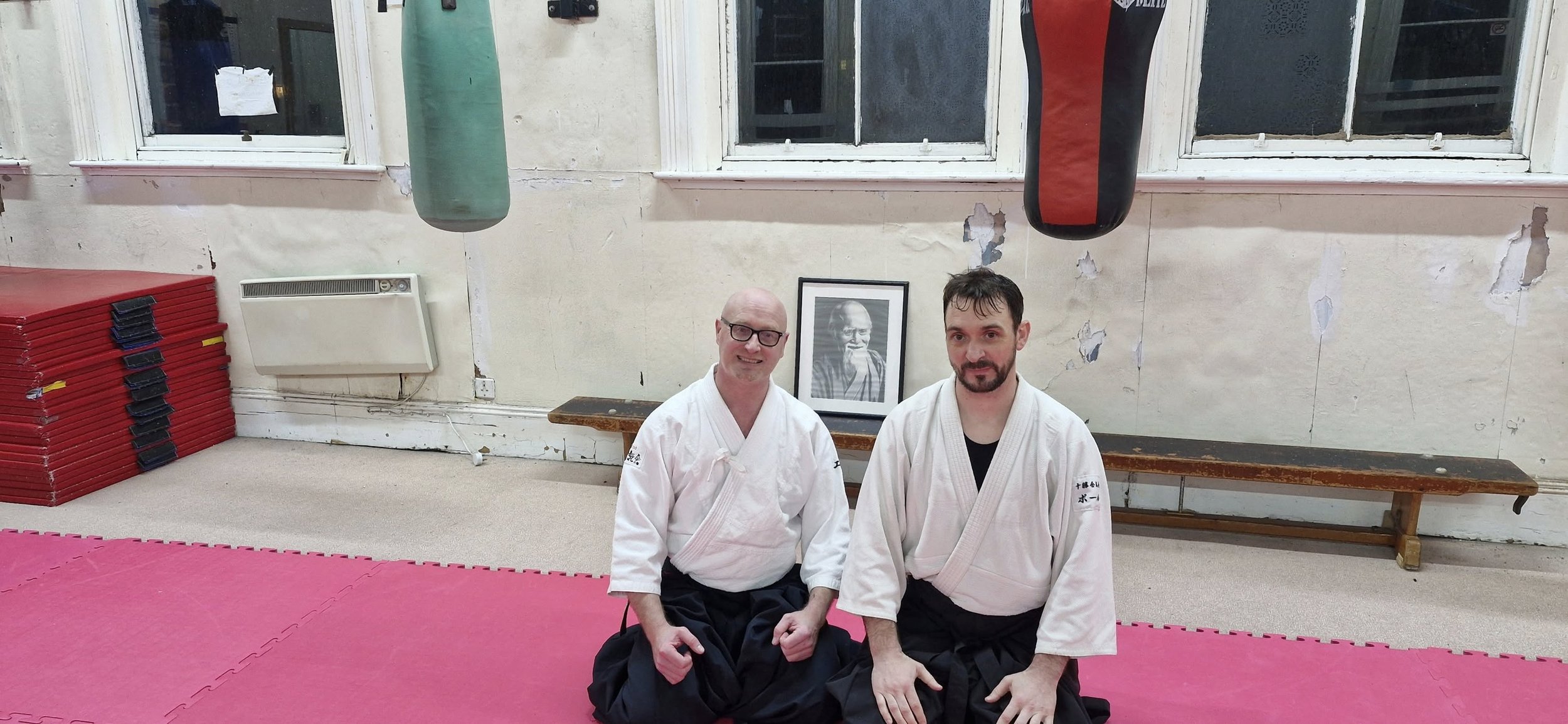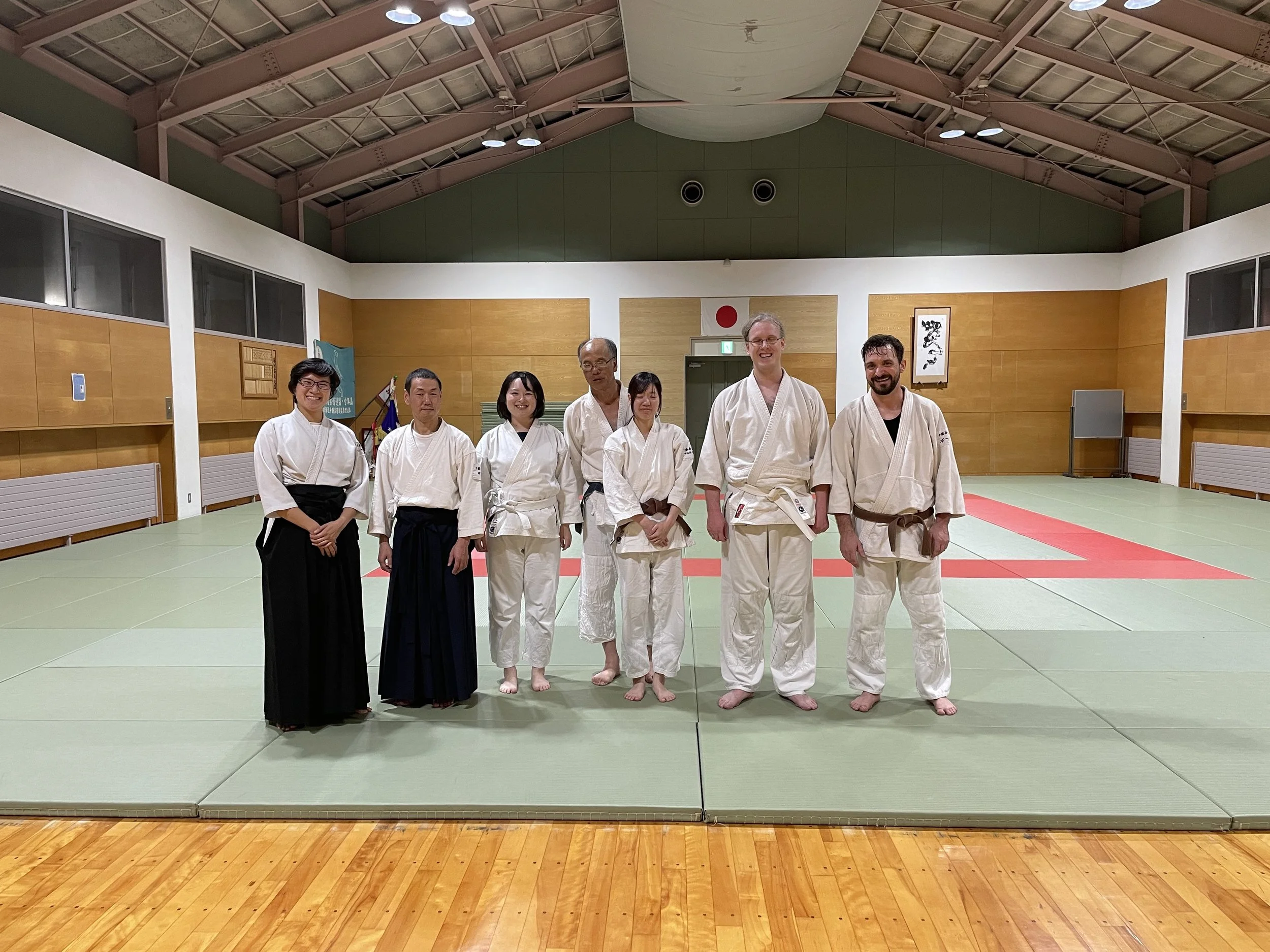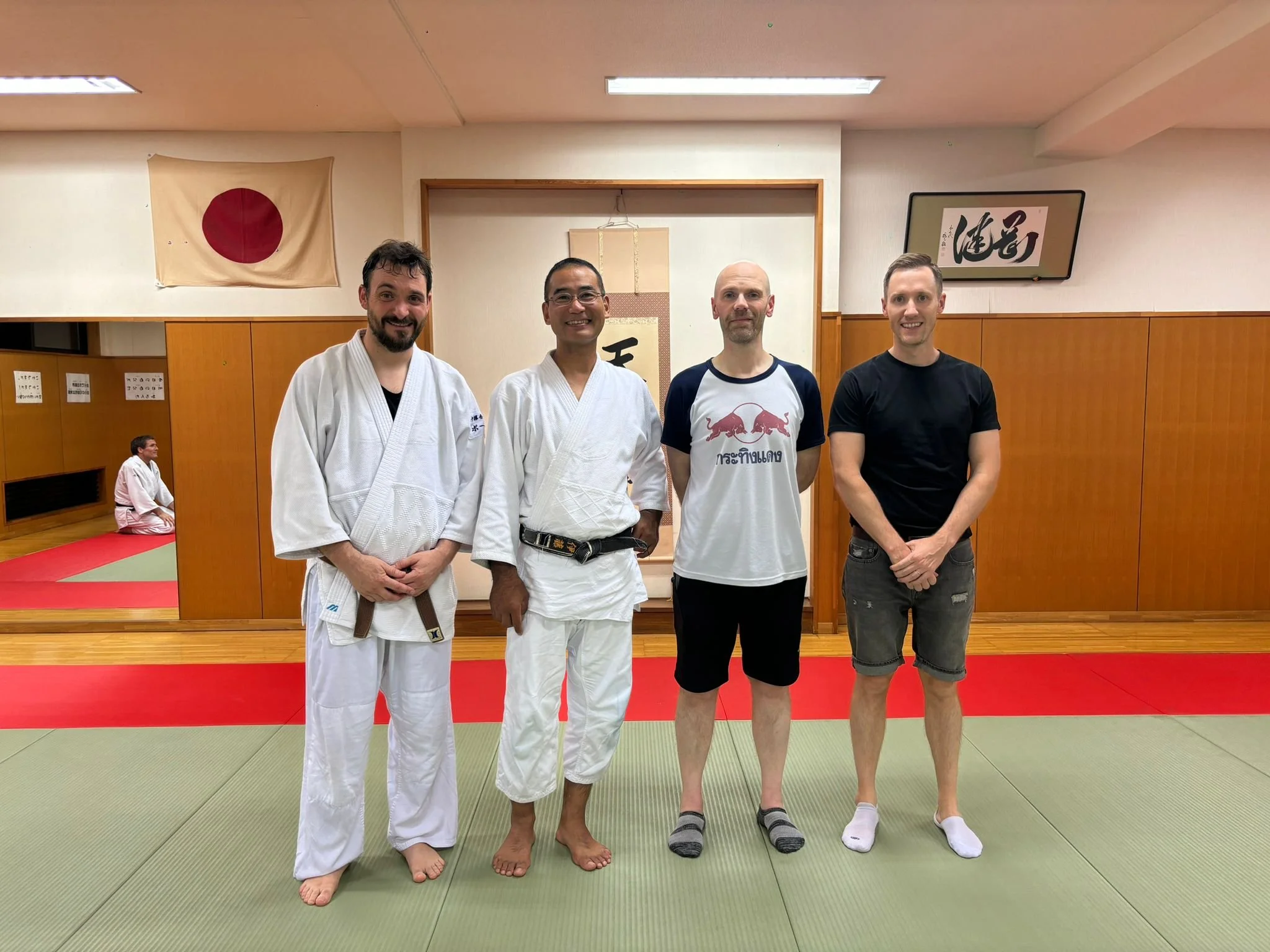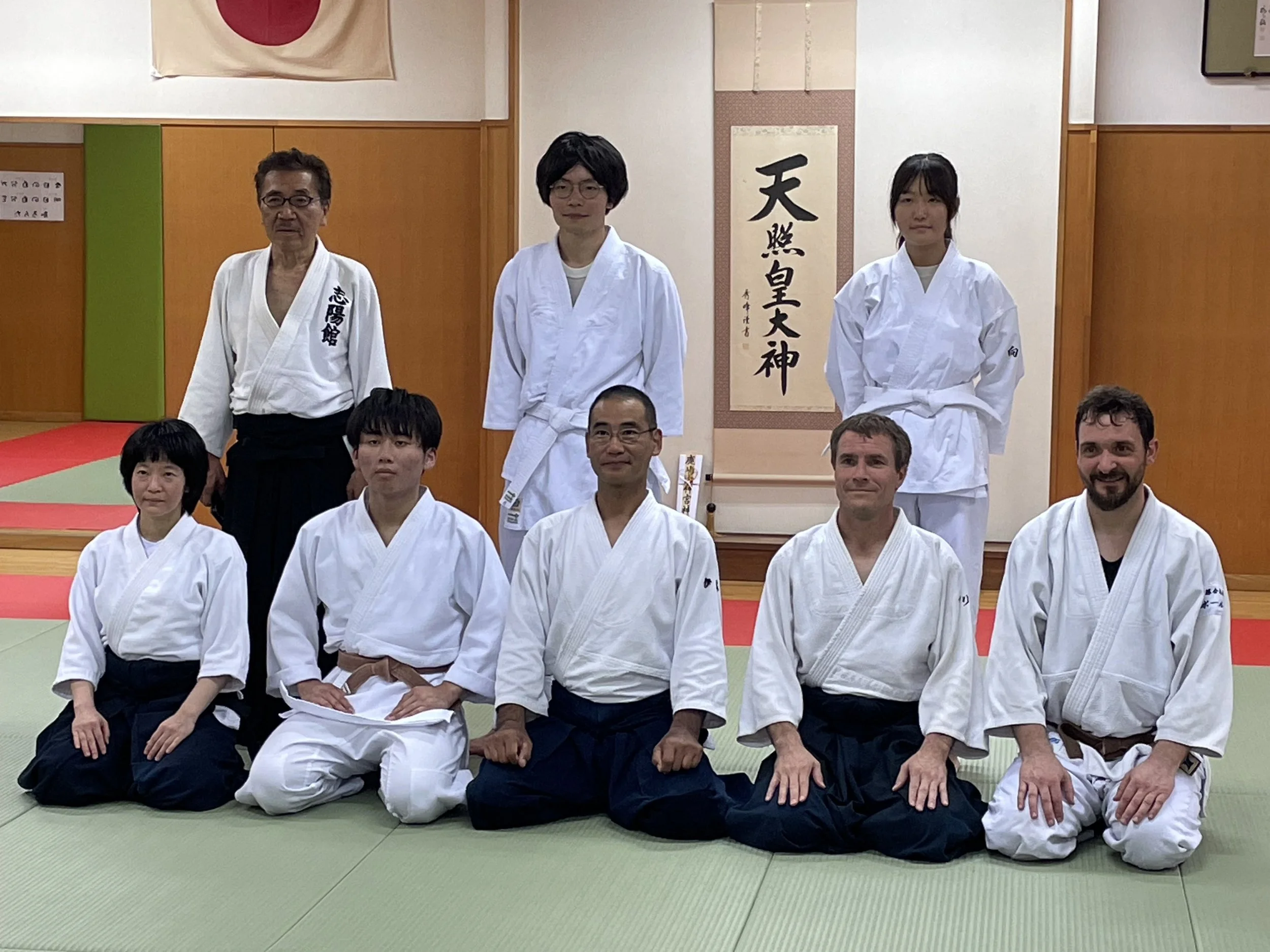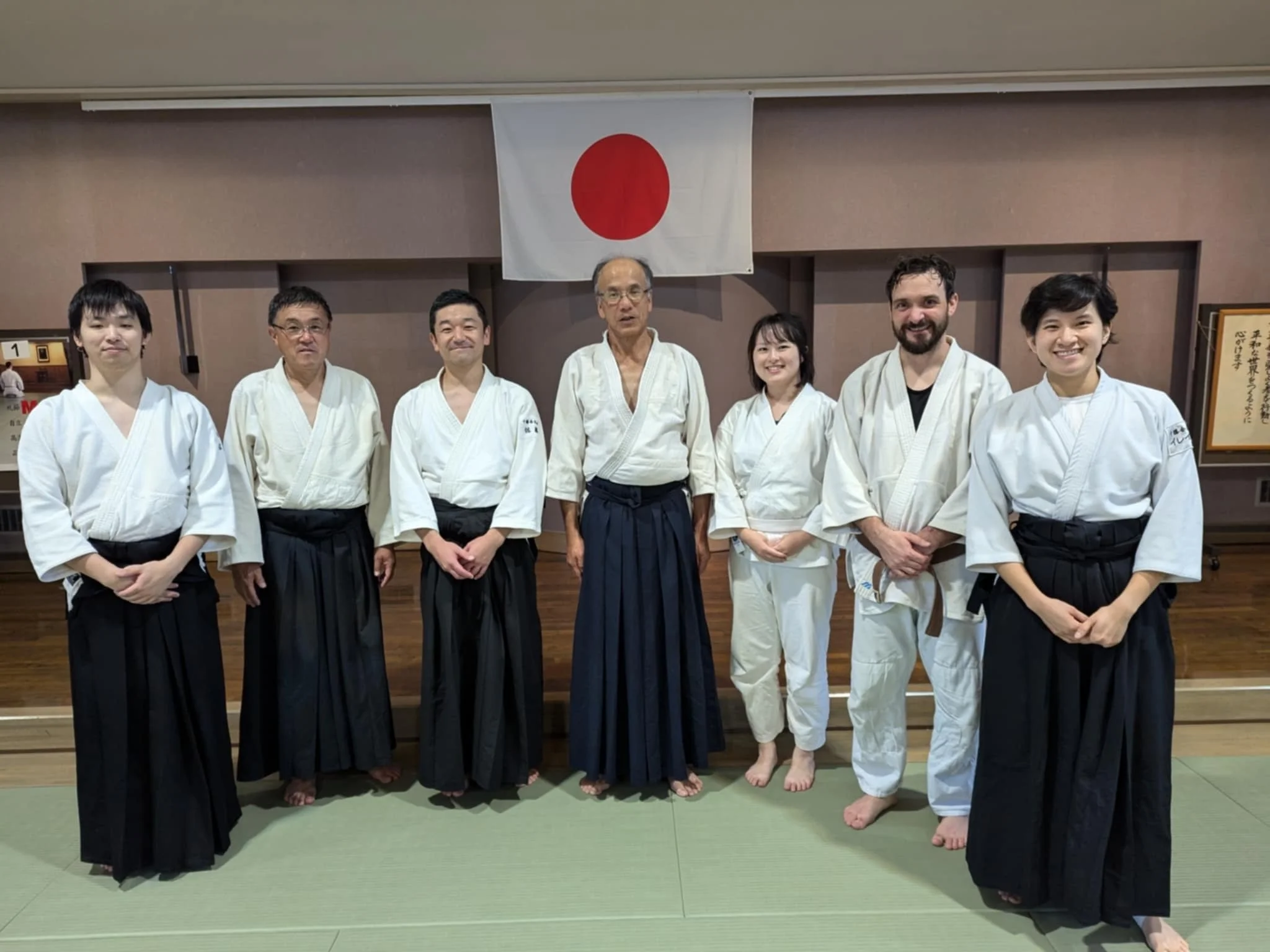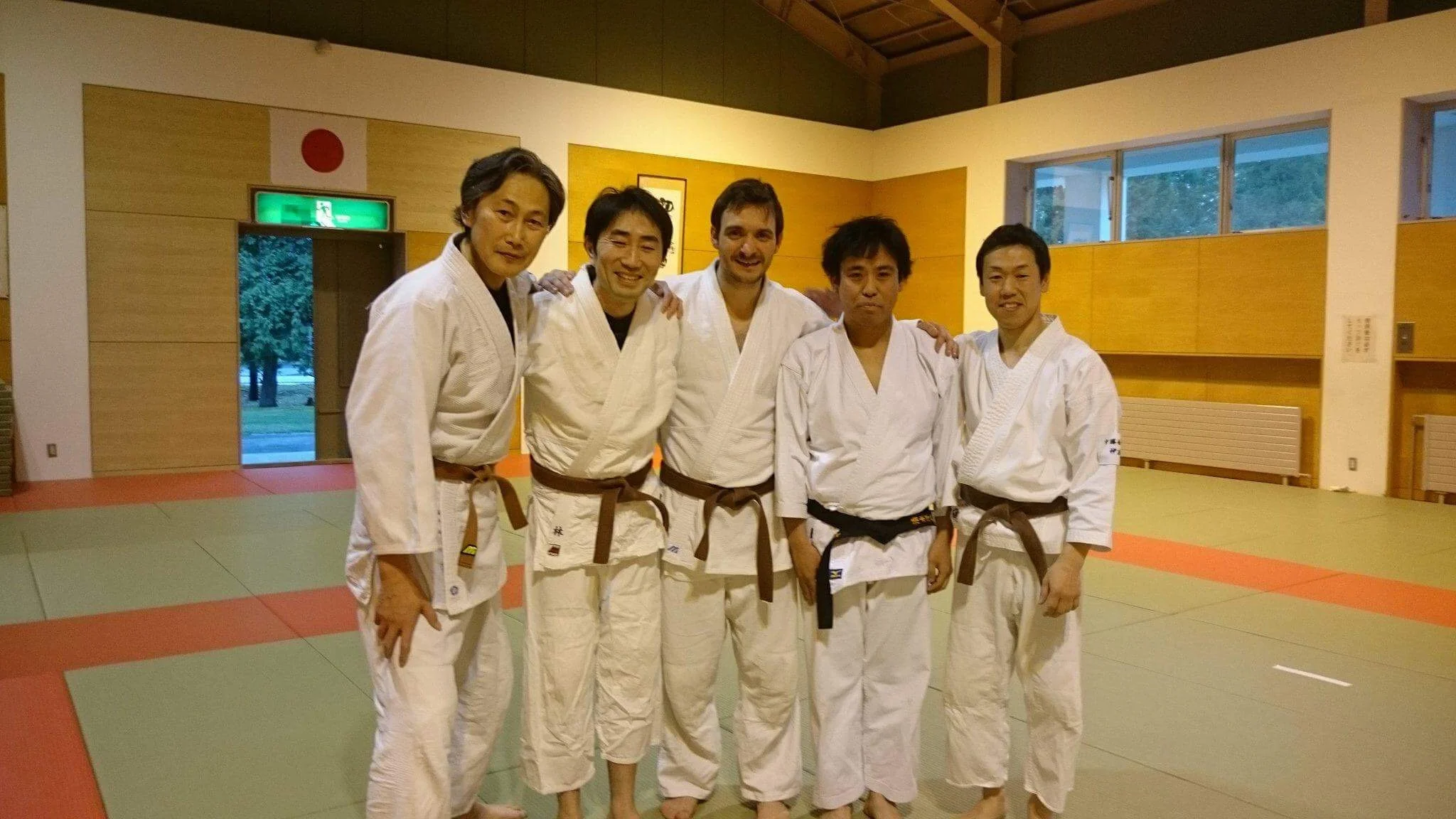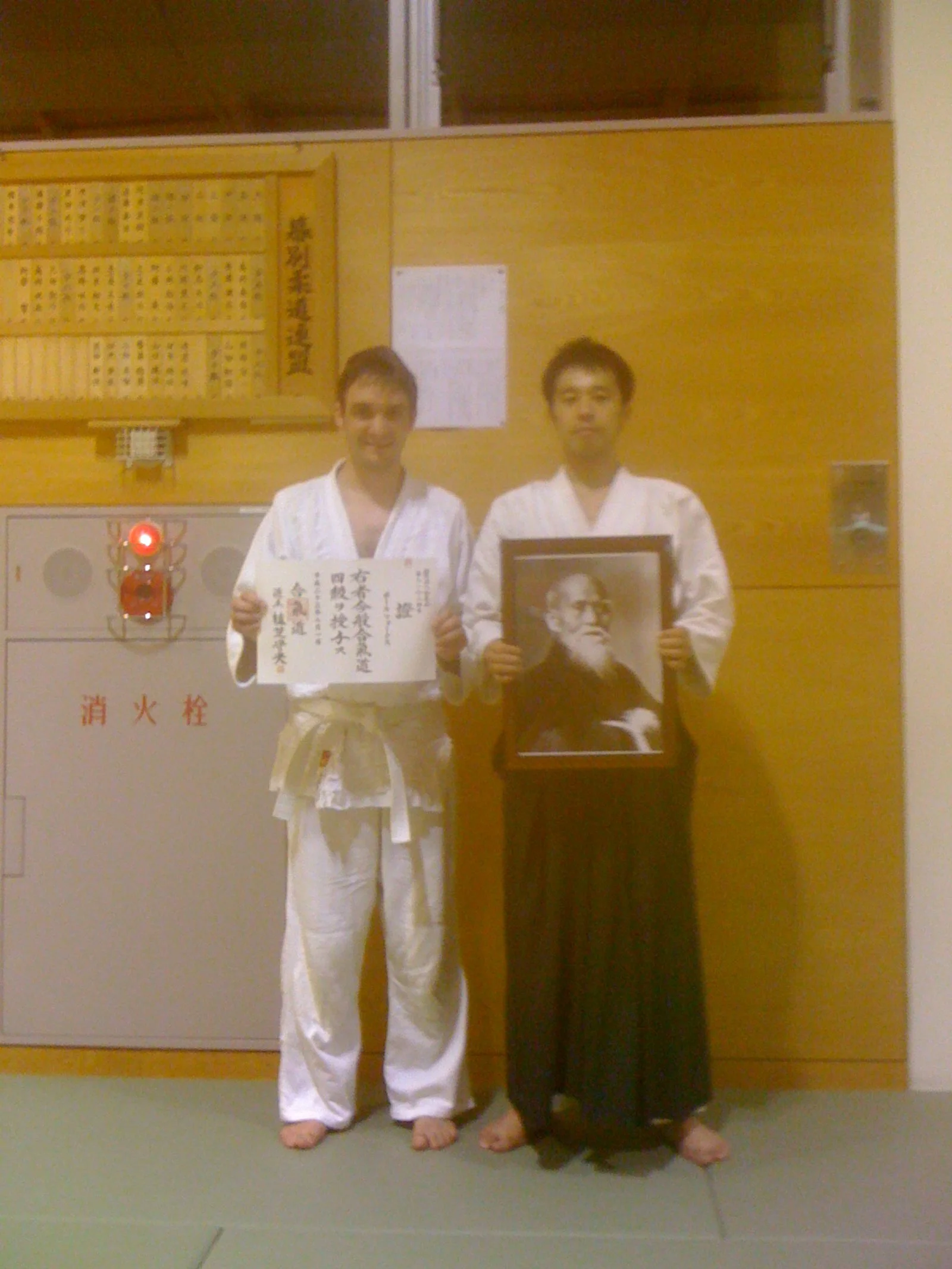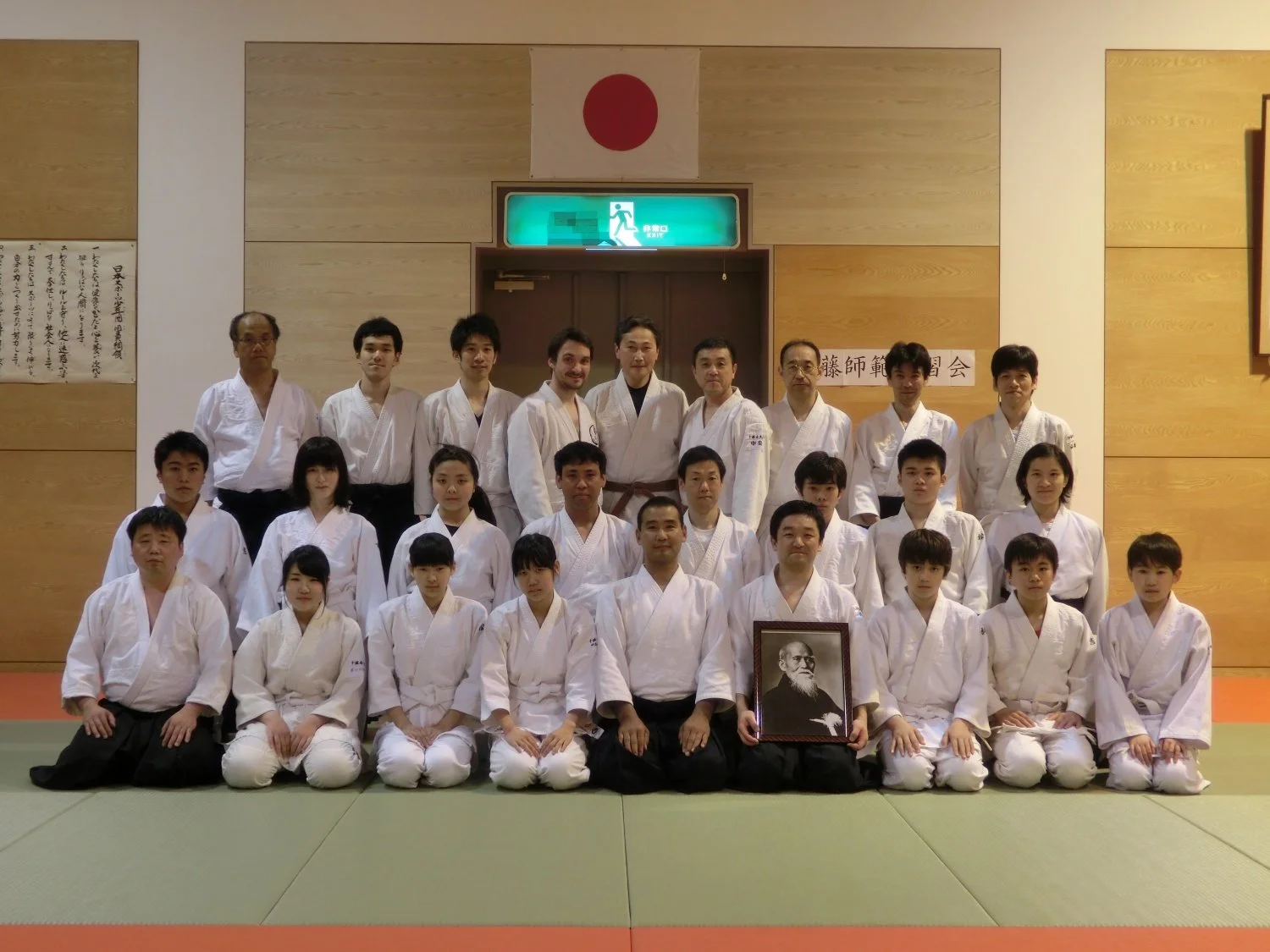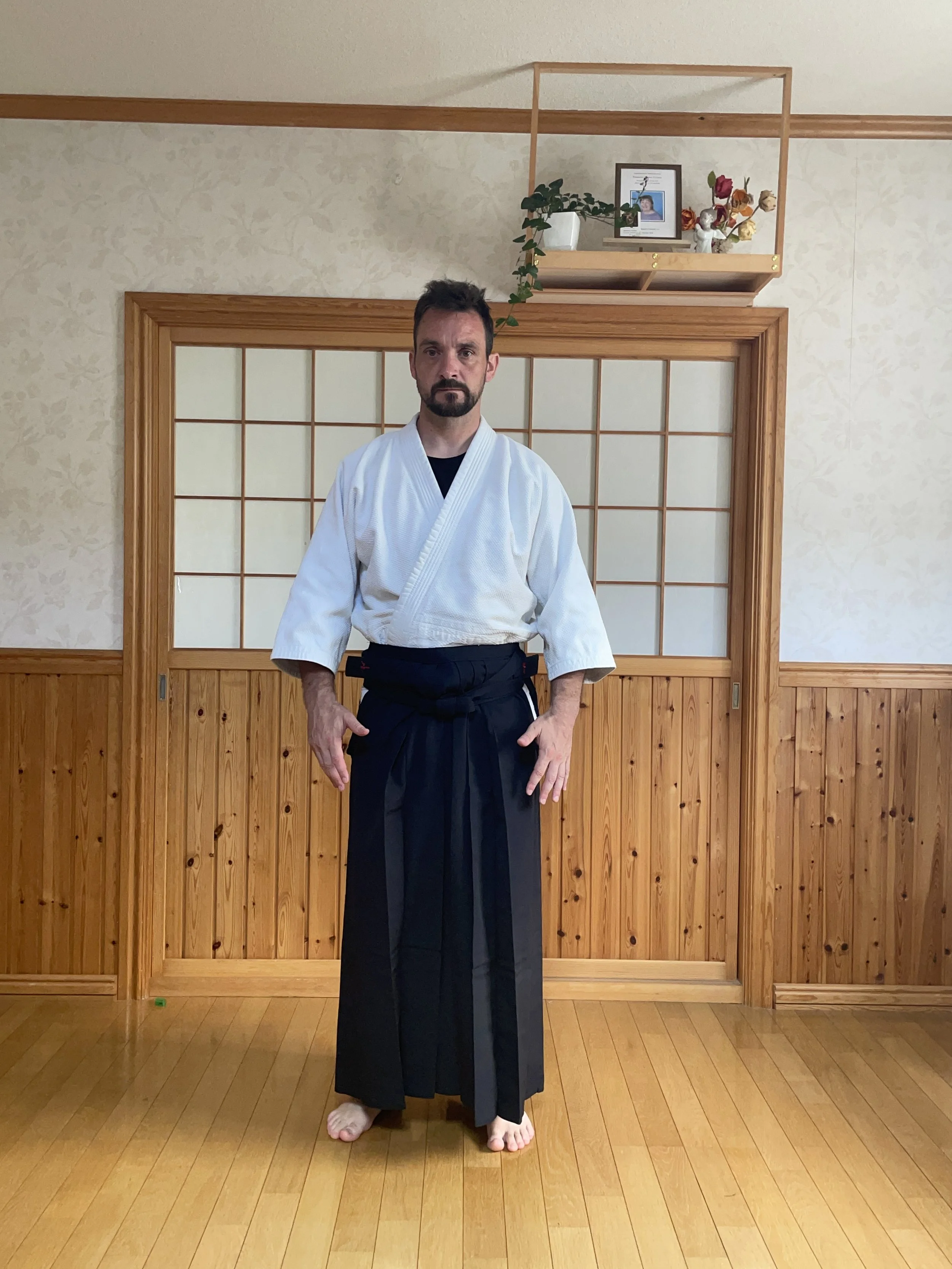
Paul Foulkes is the Aikido instructor responsible for instruction at the Aikido Shoshinkan Tokachi branch club and holds Shodan in both Yoshinkan and Aikikai Aikido.
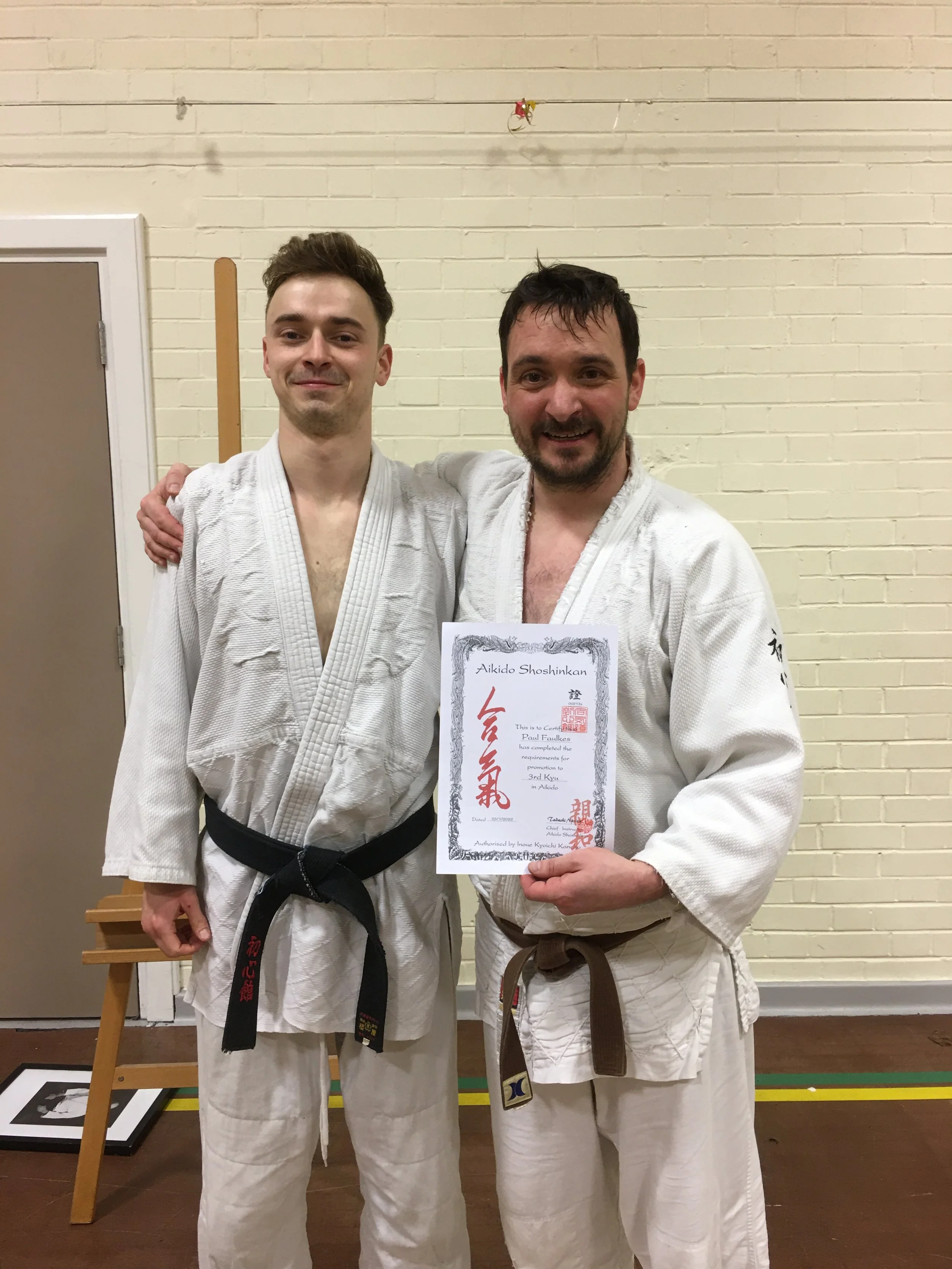
He began his Aikido training in Nottingham in 2004 under Andy Hobday Sensei. In 2008, he moved to Japan, where he continued his practice with Tokachi Aikikai. After returning to the United Kingdom in 2018, he resumed Yoshinkan Aikido with Shoshinkan Aikido Club under the guidance of Narita Sensei and was awarded Shodan.
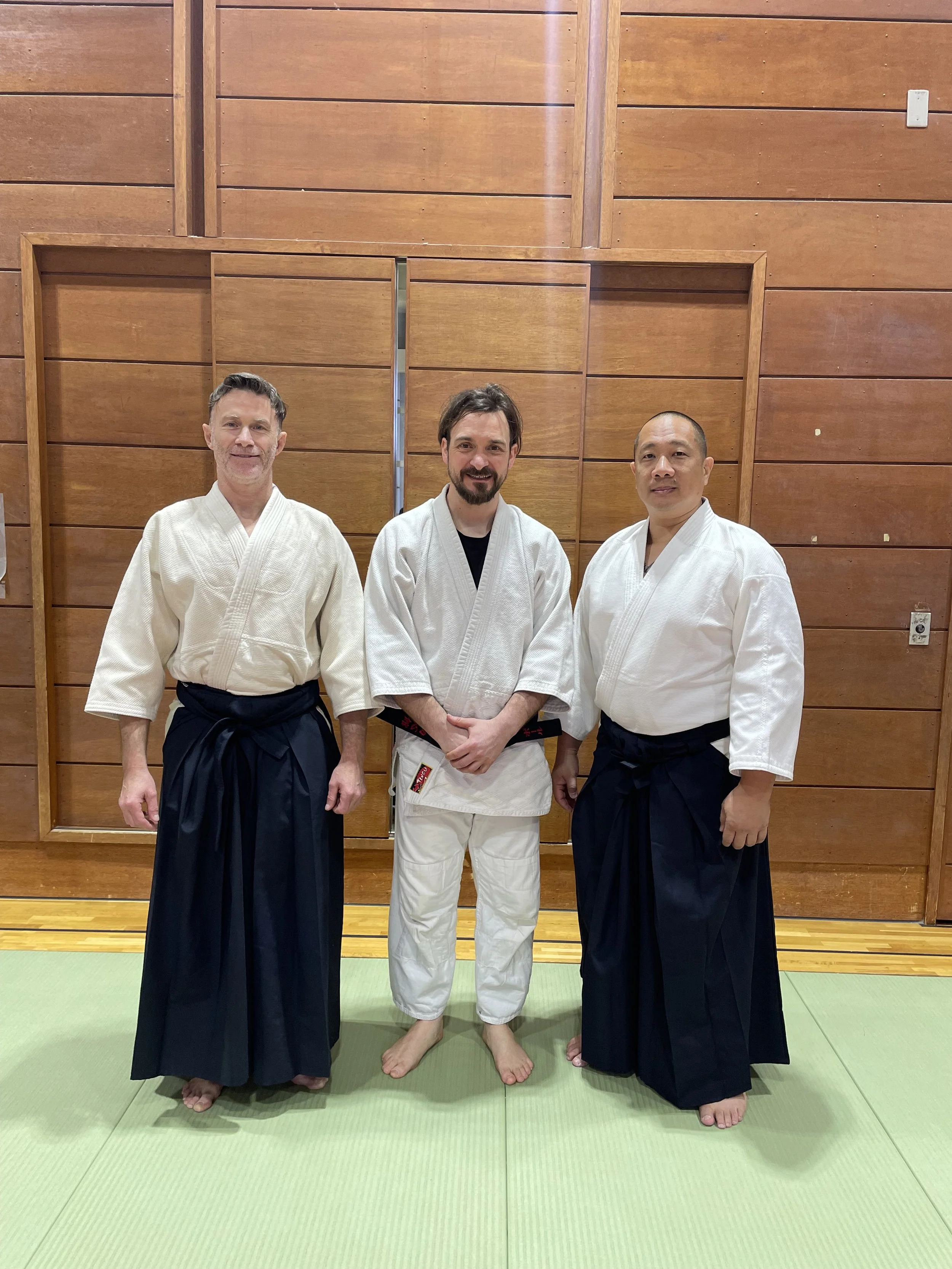
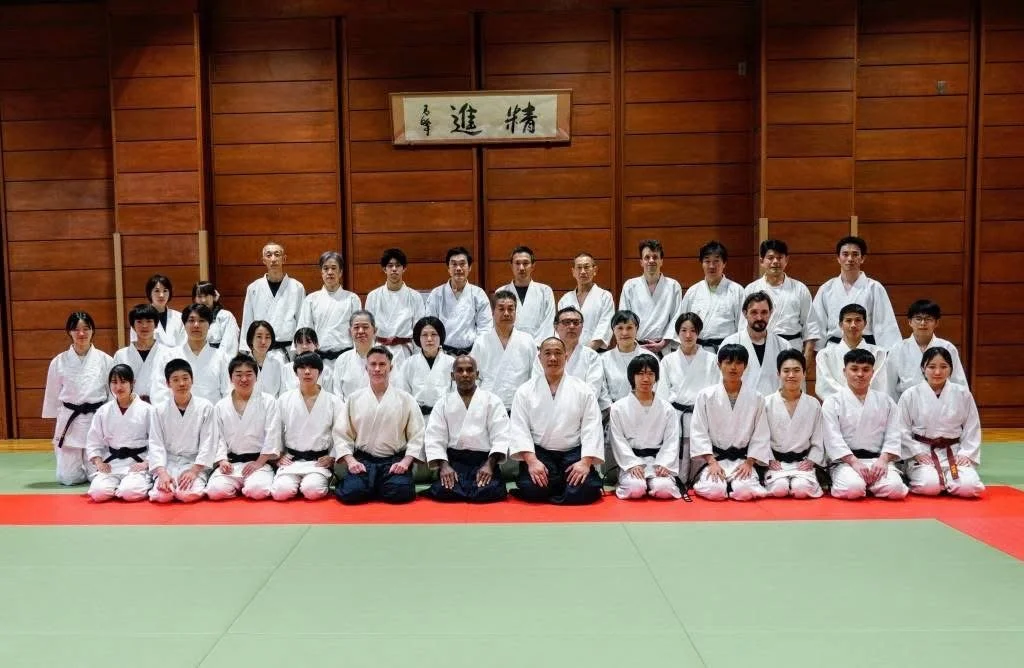
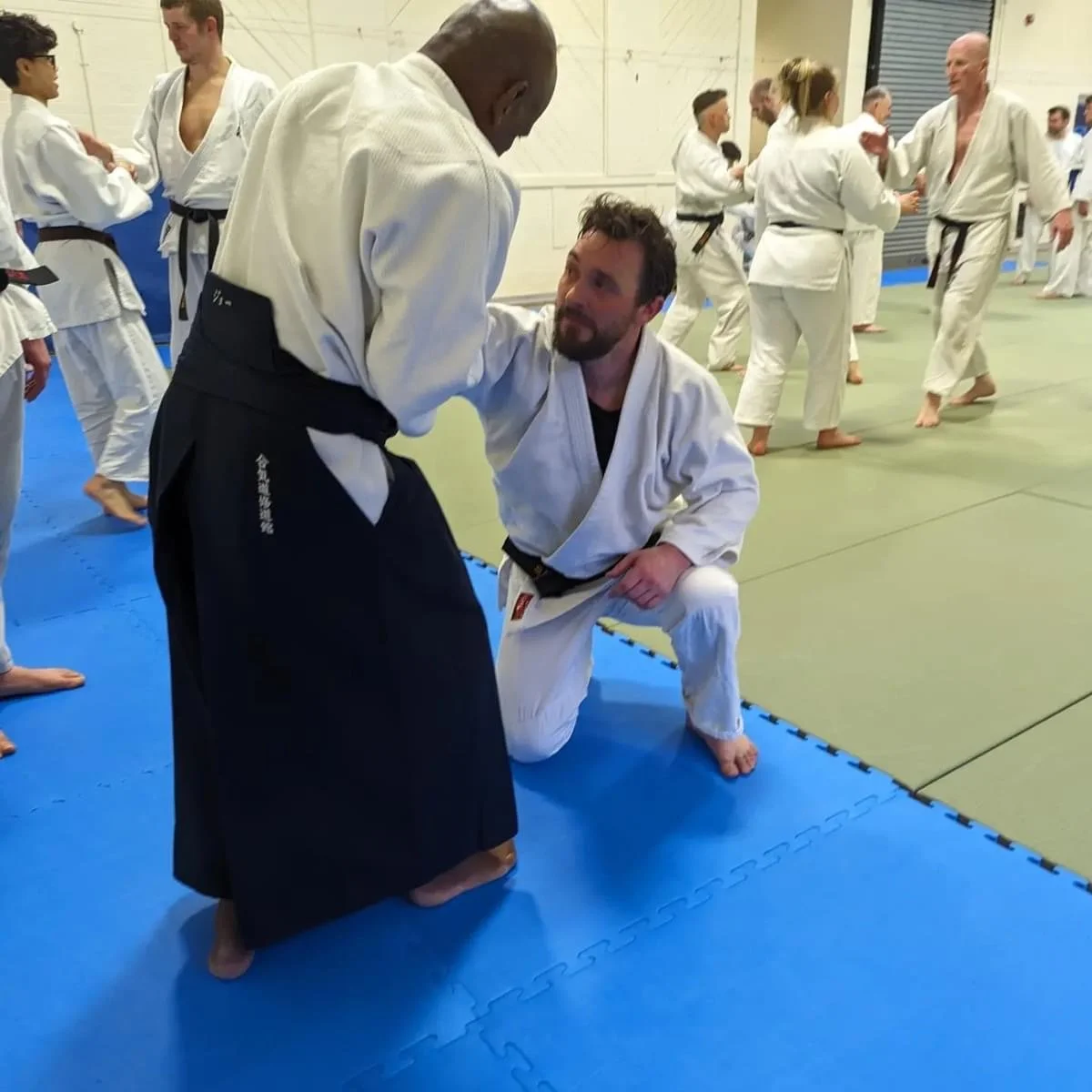
After later leaving the UK and returning to Japan, Paul was encouraged and supported by Narita Sensei to open the club in order to continue his training in Yoshinkan Aikido, as there were no Yoshinkan dojos in Hokkaido at that time. Alongside Narita Sensei’s guidance, his Yoshinkan Aikido has also been shaped through seminars with senior instructors, including Joe Thambu Sensei, in both the United Kingdom and Japan. These experiences continue to inform his ongoing training and teaching.
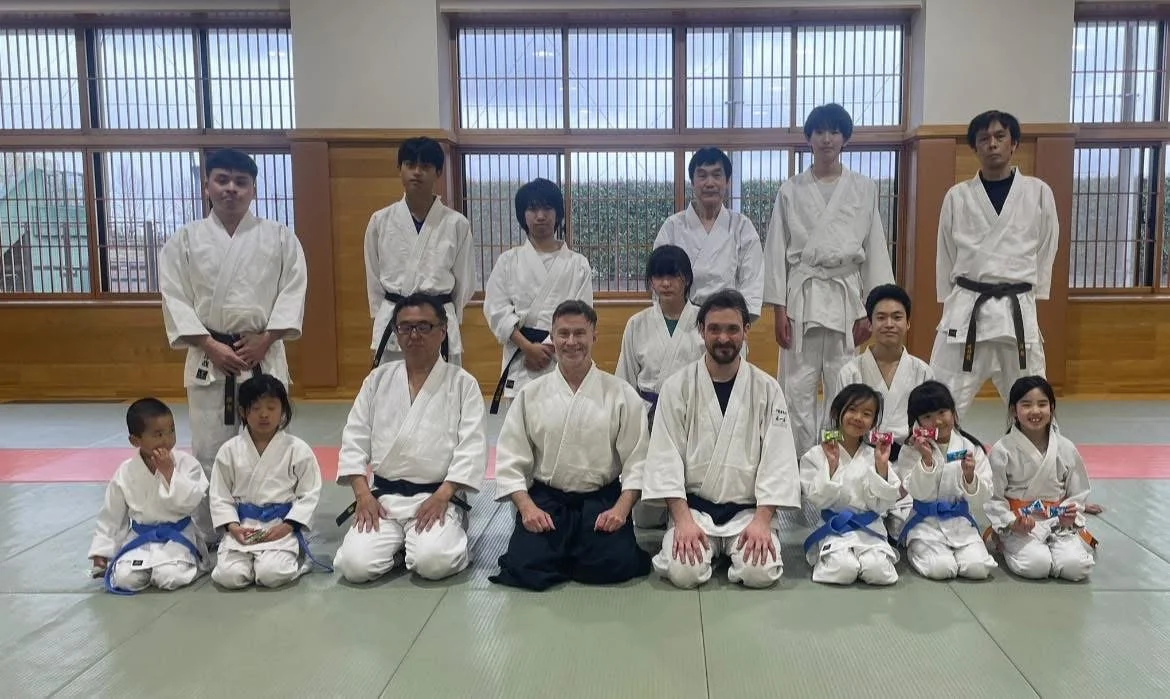
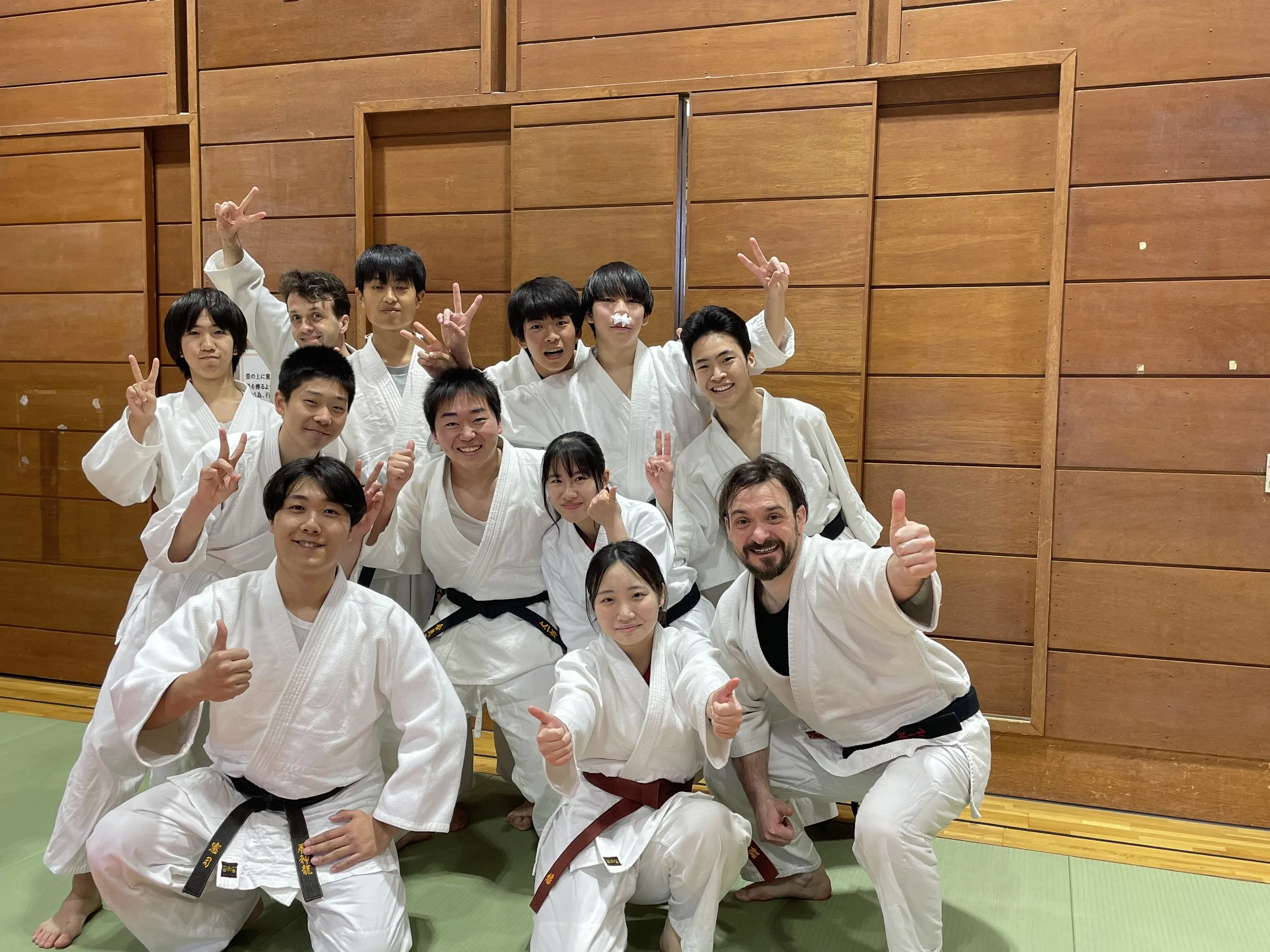
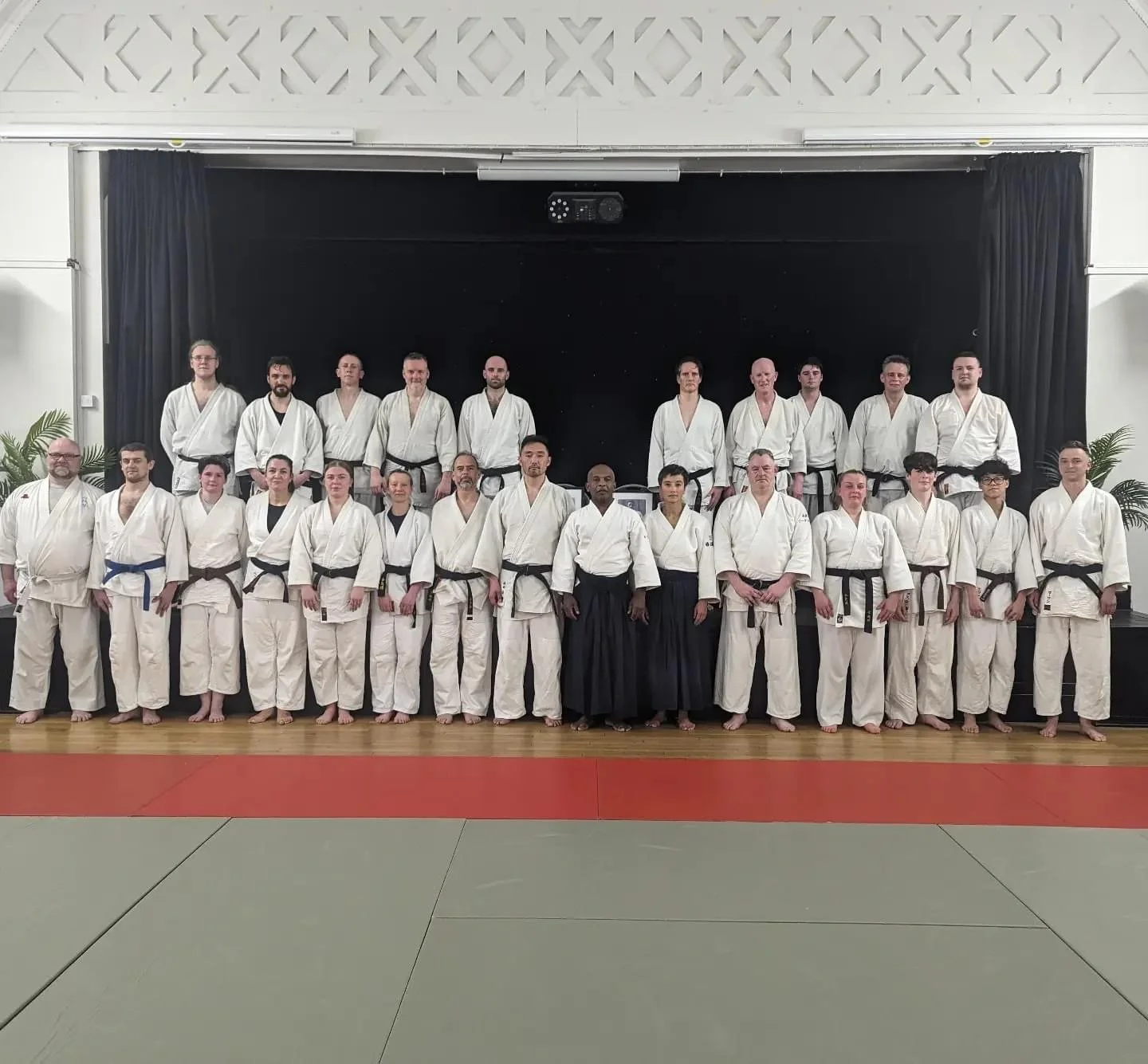
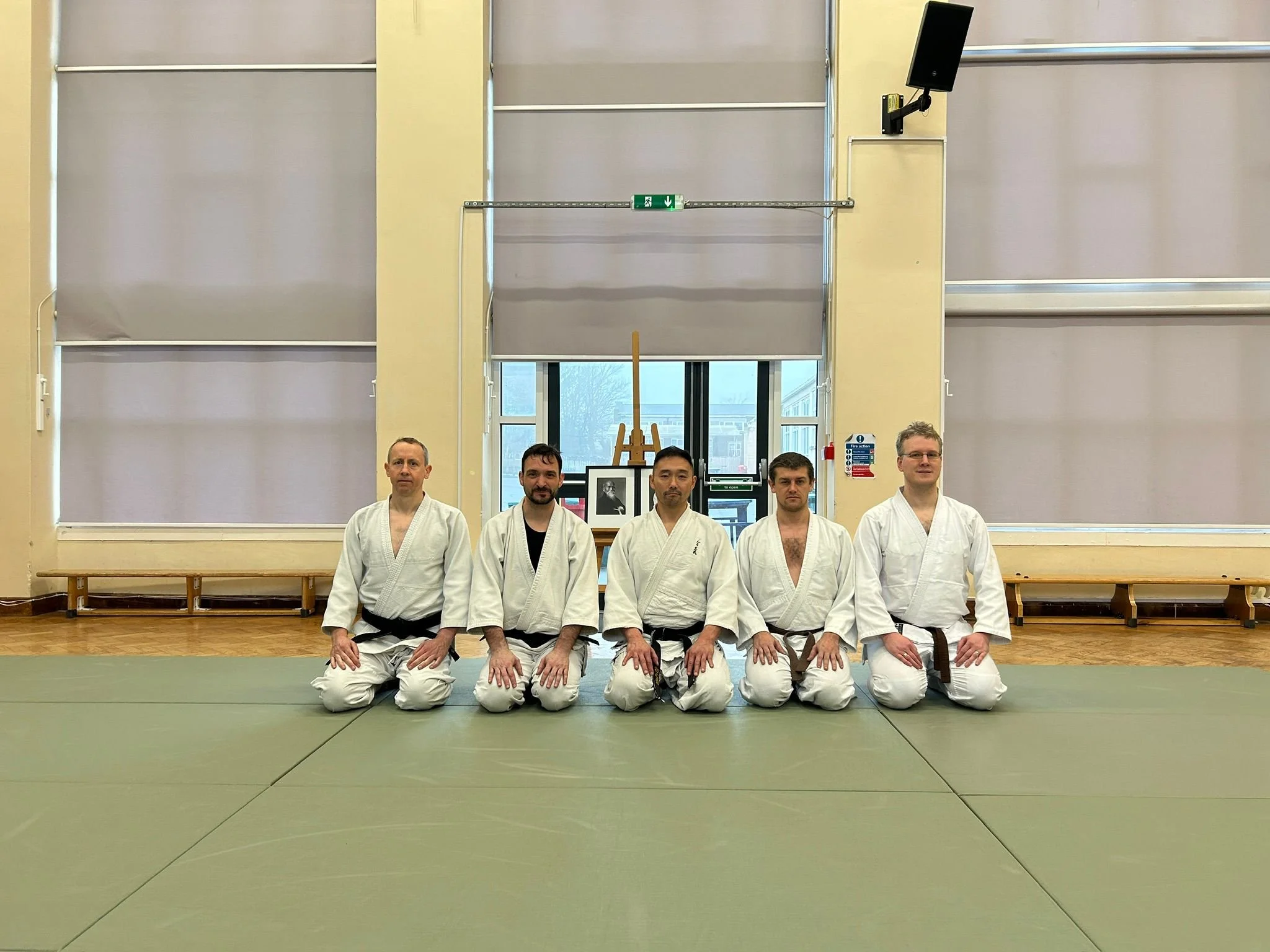
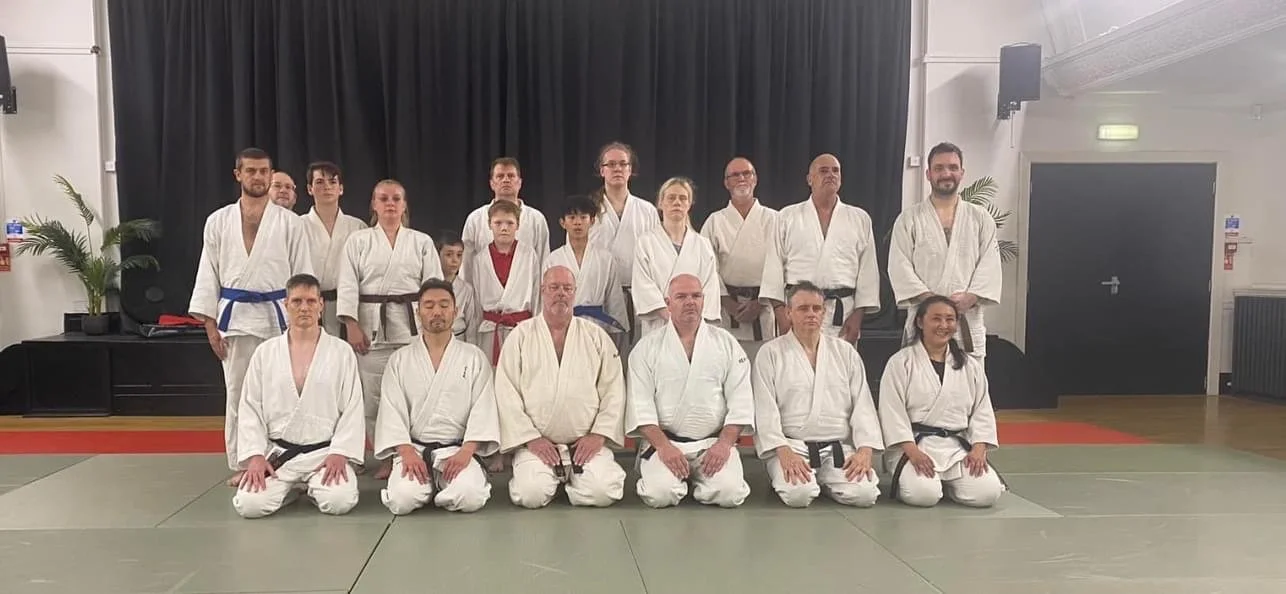
Both Paul and the club continue to receive regular support from Narita Sensei through additional training opportunities and online classes for adult students. Through the long-standing relationship with Shoshinkan Aikido Club in Nottingham, students are also given opportunities for both Aikido and cultural exchange, helping to broaden their understanding of training and dojo culture beyond their local environment.
Paul Foulkes
My Aikido
Through teaching Aikido, I have come to understand it more deeply than I ever could as a student alone. Under Narita Sensei’s patient yet strict guidance, I became aware of habits in my own practice that were holding me back, and learned how to overcome them through correct posture and mindset. This experience strongly influences the way I teach, and I aim to help my students discover and improve their own Aikido in the same way.
In my practice, I focus on the use of my own center and my partner’s center, and how movement, balance, and positioning allow techniques to be applied effectively. I have found that Aikido extends far beyond the dojo, influencing many areas of my life including sport, fitness, and learning to remain calm and composed under pressure both at work and in daily life.
Yoshinkan Aikido
What initially drew me to Yoshinkan Aikido was its clear structure and attention to detail. I was particularly impressed by the consistency of the style across different clubs and instructors, and the way it allows students to clearly understand how techniques work and how to receive a wide variety of attacks. This structured approach suits my way of thinking, as I value clarity, repetition, and building skill through careful practice.
In my teaching, I apply these principles by preparing lessons carefully for both adults and children. Techniques are broken down into simple, manageable parts, allowing students to build a strong foundation over time rather than being overwhelmed. This method helps students gain confidence in their movements and understanding, creating steady and sustainable progress.
Aikikai Aikido
Training in Aikikai Aikido in Japan was challenging, particularly in the early stages, as instruction was often given through demonstration rather than explanation. This experience taught me how to observe closely, move naturally with my partner, and blend with an attack without creating unnecessary resistance. It greatly expanded my understanding of flow, timing, and adaptability within Aikido.
Through seminars and visits to many different dojos in Japan and the UK, I have been fortunate to train with a wide range of instructors and practitioners. These experiences reinforced the importance of keeping an open mind. When encountering unfamiliar approaches, I look for ways to learn from them and incorporate what is useful into my own Aikido, rather than rejecting differences. This openness continues to shape both my training and teaching today.
Our Approach to Training
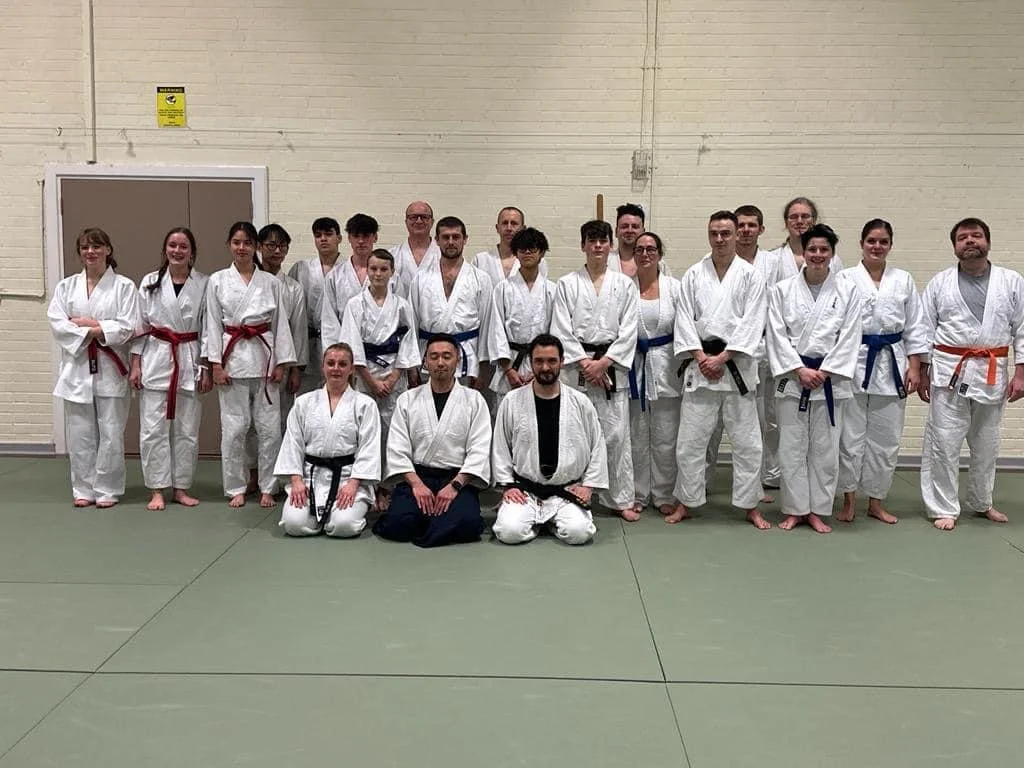
The club was established with the aim of providing a stable, welcoming, and well-structured training environment for both adults and children. Particular importance is placed on supporting beginners, many of whom are experiencing martial arts training for the first time. From its opening, the club has grown steadily, with many parents choosing to train alongside their children, helping to foster a supportive and family-oriented atmosphere.
Training is approached with seriousness and care, while remaining accessible and enjoyable. Classes are carefully planned to ensure clear progression, safe practice, and age-appropriate instruction. By combining structured teaching with a positive and encouraging environment, students are able to develop confidence, discipline, and strong fundamentals over time, while enjoying the process of learning together.
My Mentors
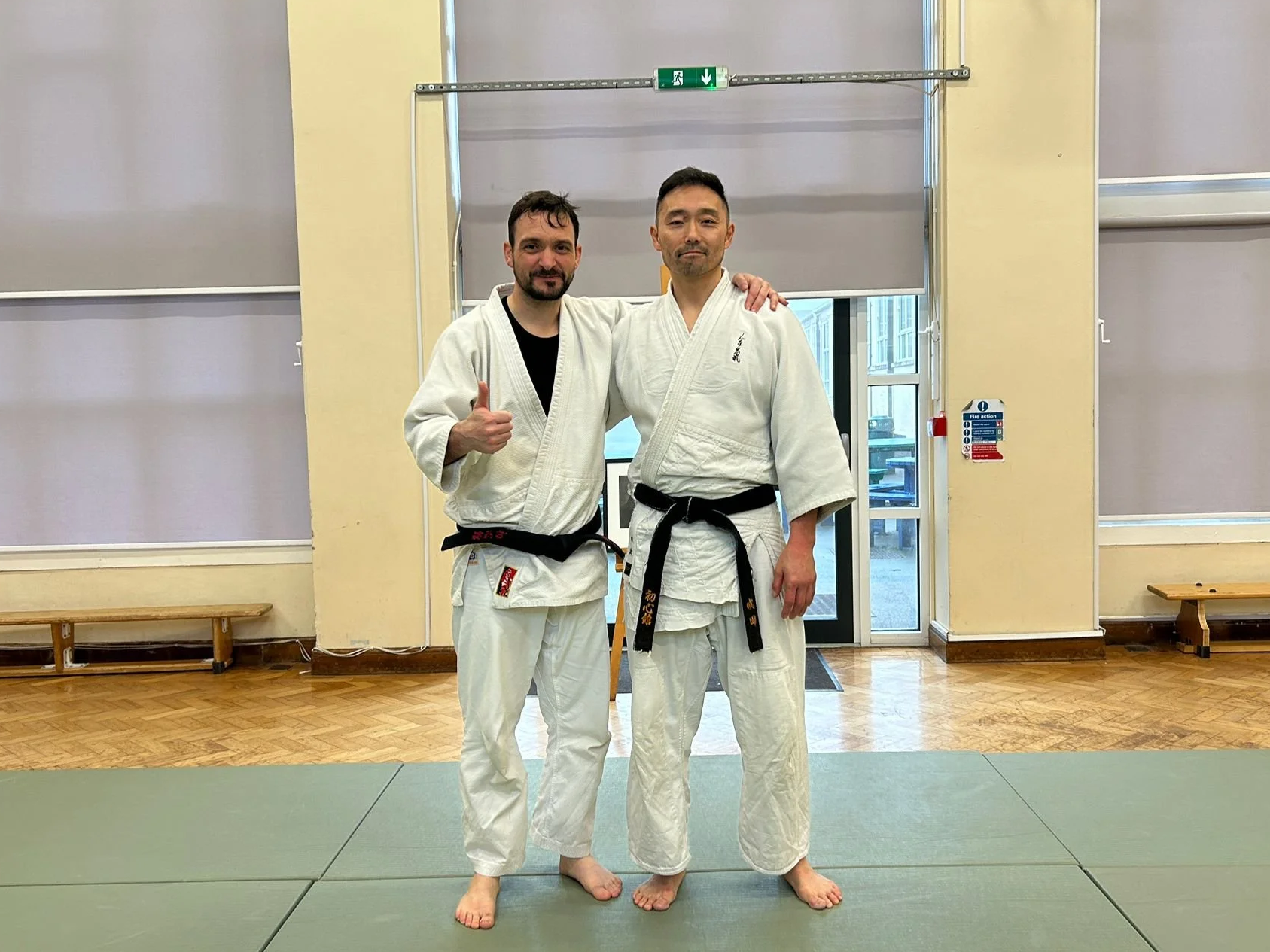
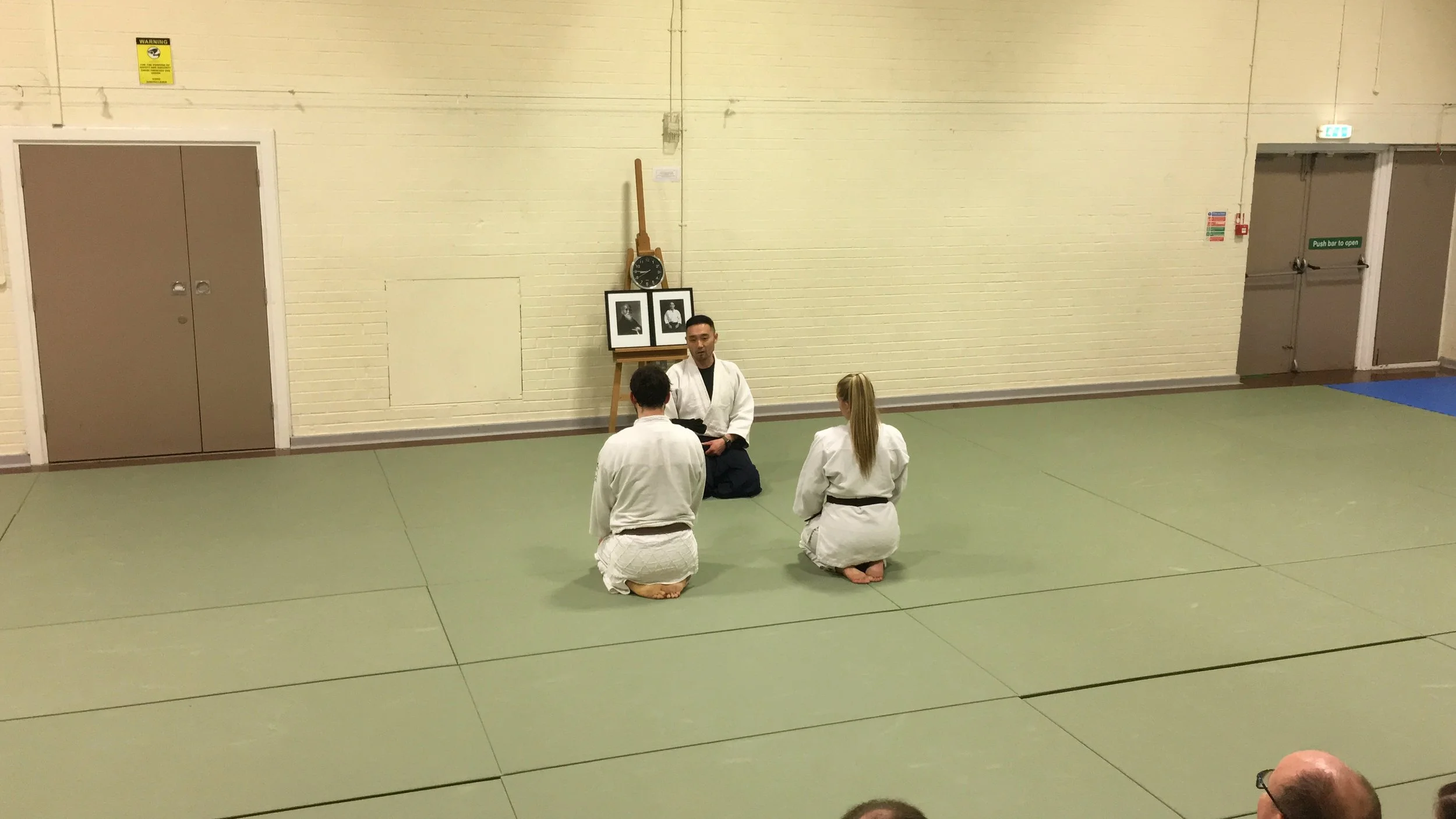
When Narita Sensei took over the original Shoshinkan Aikido Club from its founder, Andy Hobday Sensei, he continued the tradition of clear and disciplined Yoshinkan training. When I returned to the UK in 2018, Narita Sensei warmly welcomed me back to the club and supported my return to regular Yoshinkan practice. Through his consistent guidance, encouragement, and high training standards, he guided me to my first black belt and supported my development as an instructor.
Narita Sensei continues to support both me and the club to this day. Through additional training opportunities and regular online classes for adult students, he remains closely involved in our ongoing development, ensuring continuity in training and a strong connection to Yoshinkan Aikido as it is practised within Shoshinkan.
Narita Sensei
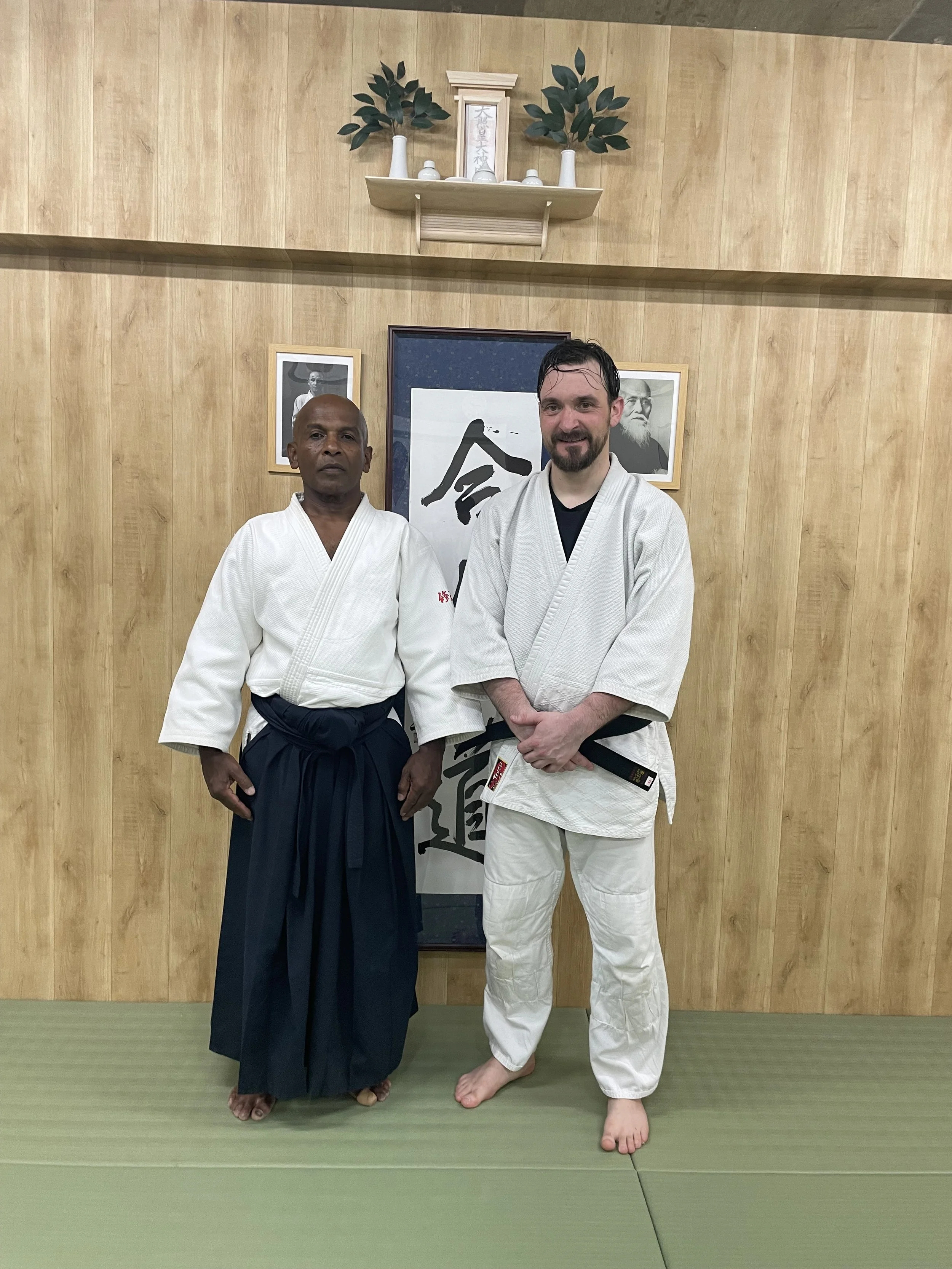
Joe Thambu Sensei has also been a significant influence on both the Nottingham dojo and my own training. A respected senior teacher with many decades of experience in Yoshinkan Aikido, he has supported my development through seminars and instruction in both the United Kingdom and Japan. His clear, technically strong approach and breadth of experience have helped shape the training environment and teaching direction we strive for in the club.
Thambu Shihan
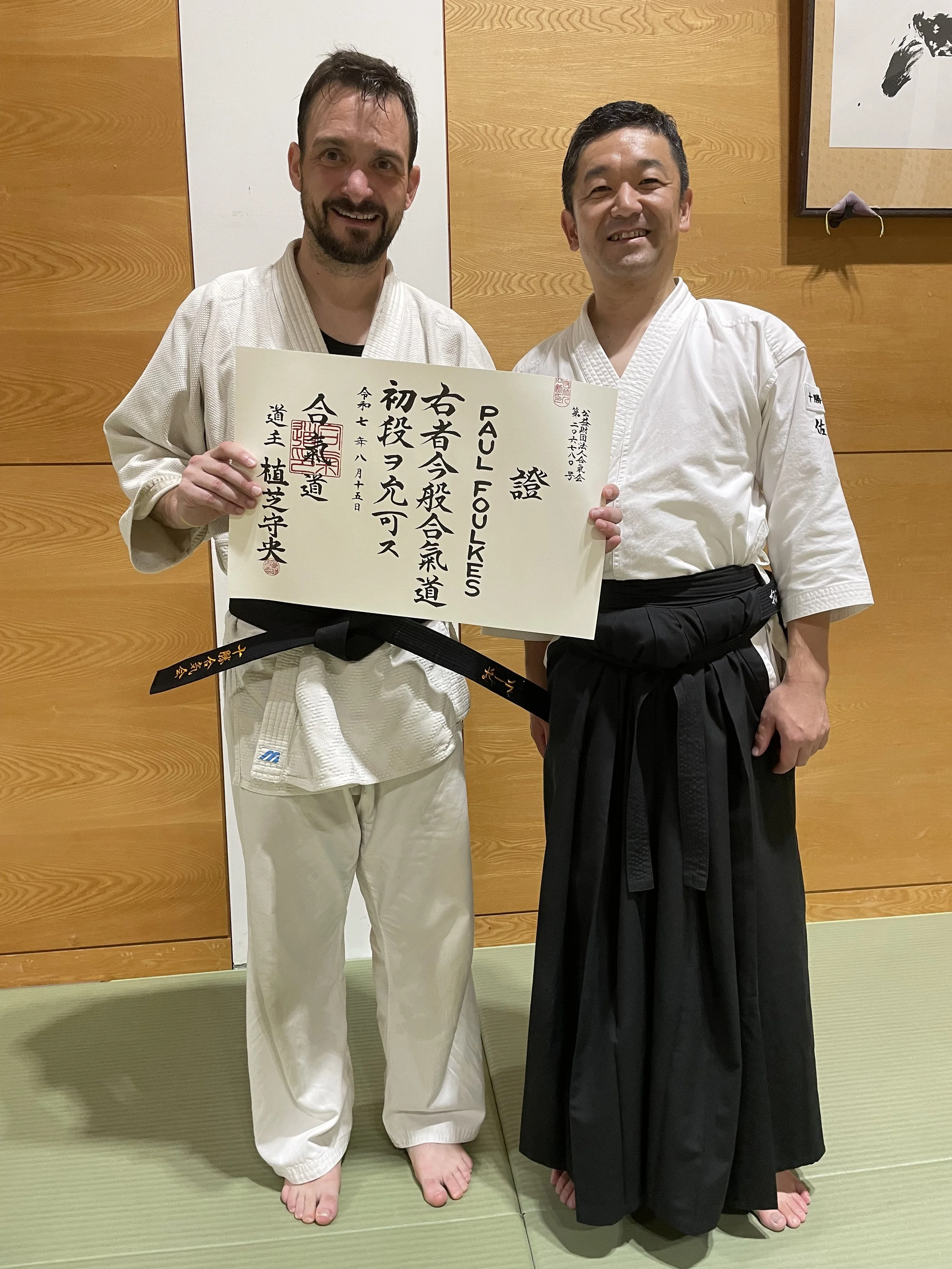
Sato Sensei has been a central influence in my Aikikai Aikido training. I first met Sato Sensei in 2008 after moving to Obihiro, Japan, where I joined Tokachi Aikikai and transitioned from Yoshinkan to Aikikai Aikido due to the absence of Yoshinkan dojos in the region. Through his consistent guidance and supportive teaching, he has played an important role in my long-term development in Aikikai, encouraging a style of practice based on observation, blending, and natural movement.
When I returned to Obihiro in 2024, Sato Sensei warmly welcomed me back to the dojo and continued to support my training, leading to the awarding of Shodan in Aikikai Aikido in 2025. His friendly and encouraging approach has had a lasting influence on my Aikido and remains an important part of my ongoing practice.
Sato Sensei